
توضیحات محصول
توضیحات محصول
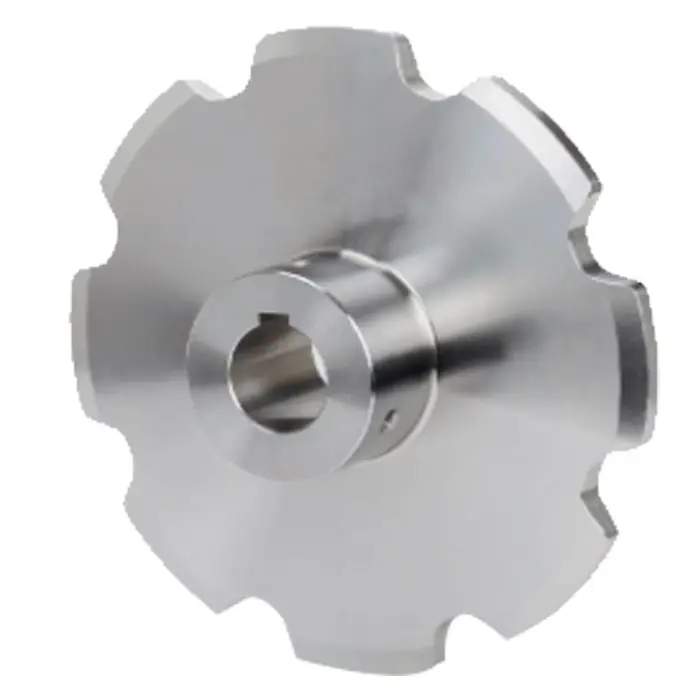
1317192C1 Sprocket Fits the following models
1317192C1 sprocket Replacement Chain Drive Fits Case IH Combine:
(Upper & Lower Clean Grain Auger) Case-IH COMBINE : 2166 2344 2366
(Lower Clean Grain Auger) Case-IH COMBINE: 1682
(Upper Clean Grain Auger) Case-IH COMBINE: 2188 2388
Forage Harvester Case-IH: 2144
Description / Notes: 9 Teeth; 1-1/4″ Diameter Shaft; Hardened
Cross Reference Part #: 1317192C1; A-1317192C1; SP122; SP122H
Replaces OEM Part Number:1317192C1
Replace the worn Sprockets and Idlers on your combine to extend the life of your chains and improve overall performance
Parameters of 1317192C1 Sprocket
| Weight, W | kg | 1.5 |
|---|---|---|
| Inner diameter, d | mm | 35 |
| Outer diameter, D | mm | 132 |
| Number of teeth, Z | 9 | |
| Pitch, p | mm | 41.4 |
| Height, H | mm | 57 |
| Outside diameter, D1 | mm | 50 |
| Key slot | mm | 4x8x57 |
Company Profile
Services we can provide
1. Produce strictly following standard dimension
2. Material: 1045 Steel / Alloy Steel / Stainless Steel 304 & 316
3. Standard: ANSI, DIN, JINS, ISO, KANA, Standard America, or customer’s drawing
4. Pilot bore, finished bore, taper bore, and special bore.
5. Bright surface / high precision / Blacking /Electrophoretic-Coated
6. Advanced heat treatment and surface treatment craft
7. Best quality and competitive price.
8. Welcome OEM / ODM
9. Processing Equipment: Hobbing machine, Slotting machine, CNC lathes, and other equipment.
10. Sprocket Models: Contains special sprocket according to customer’s drawings, standard sprocket (American standard and metric).
Customization process
1.Provide documentation:CAD, DWG, DXF, PDF,3D model ,STEP, IGS, PRT
2.Quote:We will give you the best price within 24 hours
3.Place an order:Confirm the cooperation details and CZPT the contract, and provide the labeling service
4.Processing and customization:Short delivery time
Related products:
Factory:
As a professional China sprocket manufacturer and professional supplier, we ensure the quality of every sprocket. All items are checked and tested thoroughly during every working procedure and after the product is finally manufactured to ensure that the best quality product goes out in the market.
/* 22 ژانویه 2571 19:08:37 */!function(){function s(e,r){var a,o={};try{e&&e.split(“,”).forEach(function(e,t){e&&(a=e.match(/(.*&4?)):(.*)
| Standard Or Nonstandard: | Standard |
|---|---|
| Application: | Motor, Electric Cars, Motorcycle, Machinery, Marine, Agricultural Machinery, Car |
| Hardness: | Hardened Tooth Surface |
| Manufacturing Method: | Cut Gear |
| Toothed Portion Shape: | Bevel Wheel |
| مواد: | فولاد |
| نمونهها: |
US$ 9999/Piece
۱ قطعه (حداقل سفارش) | |
|---|

What are the Maintenance Requirements for Ladder Sprockets to Ensure Smooth Operation?
Maintaining ladder sprockets is essential to ensure smooth operation, prolong their service life, and prevent unexpected failures in conveyor systems. Here are the maintenance requirements for ladder sprockets:
- Regular Inspection: Conduct regular visual inspections of the ladder sprockets to check for signs of wear, damage, or deformation. Inspect the sprocket teeth, cross members, and overall structure for any abnormalities.
- Lubrication: Apply the appropriate lubricant to the ladder sprocket and the conveyor chain regularly. Proper lubrication minimizes friction, reduces wear, and ensures smooth motion and power transmission.
- Tension Adjustment: Maintain the correct tension in the conveyor chain to prevent excessive wear on the sprocket teeth and chain links. Proper tensioning helps maintain accurate positioning and prevents chain slippage.
- Chain Alignment: Ensure the conveyor chain is properly aligned with the ladder sprocket. Misalignment can cause uneven wear, increased friction, and reduce sprocket and chain life.
- Cleanliness: Keep the ladder sprockets and the surrounding area clean from debris, dirt, and contaminants. Foreign particles can cause chain jamming, accelerated wear, and affect sprocket performance.
- Replace Worn Sprockets: Monitor the wear of the ladder sprocket teeth regularly. If the sprocket teeth are significantly worn, chipped, or have hook-shaped profiles, replace the sprocket promptly to maintain proper chain engagement and prevent chain failure.
- Inspect Chain Wear: Regularly inspect the conveyor chain for signs of wear, stretching, or elongation. Replace the chain if it is beyond its recommended service life, as a worn chain can accelerate sprocket wear.
- Address Unusual Noises or Vibrations: Investigate and address any unusual noises or vibrations in the conveyor system promptly. Unusual sounds may indicate issues with the ladder sprockets or other components that require attention.
- Follow Manufacturer’s Guidelines: Adhere to the ladder sprocket manufacturer’s maintenance recommendations and service intervals. Manufacturers may provide specific guidelines for lubrication, tensioning, and inspection to optimize sprocket performance and longevity.
By adhering to these maintenance requirements, conveyor system operators can ensure the smooth operation and reliable performance of ladder sprockets. Regular maintenance not only extends the sprocket’s service life but also contributes to the overall efficiency and productivity of the conveyor system.
Proactive maintenance practices reduce the risk of unexpected downtime, equipment damage, and costly repairs, making it a worthwhile investment for any industrial operation that relies on conveyor systems with ladder sprockets.
How do I Calculate the Required Torque and Power for a Ladder Sprocket Setup?
Calculating the required torque and power for a ladder sprocket setup involves considering several factors related to the conveyor system’s design and operation. Here’s a step-by-step guide to the calculation process:
- Identify Parameters: Gather the necessary data, including conveyor system specifications such as conveyor length, speed, chain pitch, sprocket diameter, and the weight of the conveyed material per unit length (if applicable).
- Calculate Chain Tension: Determine the chain tension in the conveyor system. Chain tension depends on the conveyor’s angle of inclination, the weight of the material being conveyed, and any additional forces acting on the chain.
- Calculate Chain Pull Force: The chain pull force is the force required to move the conveyor chain. It is calculated by multiplying the chain tension by the number of chain strands.
- Calculate Torque: To calculate the torque required for the ladder sprocket, multiply the chain pull force by the sprocket radius. The sprocket radius is half of the sprocket diameter.
- Consider Efficiency: Take into account the efficiency of the conveyor system. The actual torque required will be higher than the calculated torque due to efficiency losses in bearings, chains, and other components.
- Calculate Power: To determine the power required for the ladder sprocket setup, multiply the calculated torque by the conveyor’s rotational speed in radians per second. The rotational speed can be obtained by converting the conveyor speed from meters per second to radians per second.
- Apply Safety Factors: Apply safety factors to the calculated torque and power values to ensure that the system can handle occasional peak loads and avoid running the system at its maximum capacity continuously.
Keep in mind that these calculations provide an estimate of the required torque and power for the ladder sprocket setup. Actual operating conditions, variations in material properties, and other external factors may influence the results. Additionally, it’s essential to consult conveyor system experts or sprocket manufacturers for further guidance and to verify the accuracy of the calculations.
By accurately calculating the required torque and power, you can ensure that the ladder sprocket setup is appropriately sized to handle the conveyor system’s load and operational demands, leading to efficient and reliable conveyor performance.

چگونه یک چرخدنده نردبانی با زنجیر یا تسمه نقاله تعامل دارد؟
یک چرخدنده نردبانی به شیوهای منحصر به فرد و دقیق با زنجیر یا تسمه نقاله تعامل دارد و پشتیبانی و هدایت مداوم را برای تسهیل حرکت روان و قابل اعتماد در سیستمهای نقاله فراهم میکند. در اینجا نحوه تعامل یک چرخدنده نردبانی با زنجیر یا تسمه آورده شده است:
- پشتیبانی مداوم: طراحی چرخدنده نردبانی شامل دو صفحه یا میله موازی است که توسط اعضای عرضی به هم متصل شدهاند و شبیه نردبان هستند. حلقههای زنجیر به طور ایمن در شکافهای بین اعضای عرضی قرار میگیرند و در طول چرخش چرخدنده، پشتیبانی مداوم را فراهم میکنند.
- درگیر شدن حلقههای زنجیرهای: همانطور که زنجیر نقاله در امتداد مسیر نقاله حرکت میکند، به دور چرخدنده نردبانی میپیچد. حلقههای زنجیر در شکافهای بین اعضای عرضی قرار میگیرند و تضمین میکنند که هر حلقه به طور ایمن در ساختار چرخدنده نردبانی نگه داشته میشود.
- راهنمایی: چرخدنده نردبانی به عنوان یک راهنما برای زنجیر نقاله عمل میکند و مانع از خارج شدن زنجیر از ریل یا افتادن آن از روی چرخدنده در حین کار میشود. حلقههای زنجیر درون اعضای عرضی محصور میمانند و تراز صحیح خود را با دندانههای چرخدنده حفظ میکنند.
- جلوگیری از لغزش: پشتیبانی مداوم چرخدنده نردبانی از هر حلقه زنجیر، لغزش زنجیر را به حداقل میرساند و انتقال دقیق نیرو بین چرخدنده و زنجیر نقاله را تضمین میکند.
- حرکت دقیق: طراحی چرخدنده نردبانی، موقعیتیابی و کشش ثابتی را روی زنجیر فراهم میکند و به حرکت روان و دقیق کمک میکند. این امر برای سیستمهای نقالهای که نیاز به جابجایی دقیق مواد دارند، بسیار مهم است.
- کاهش صدا و لرزش: درگیری ایمن حلقههای زنجیر در چرخدنده نردبانی منجر به کاهش سطح صدا و لرزش در حین کار میشود و سیستم نقالهای بیصداتر و پایدارتر را ایجاد میکند.
- کاربردهای پرسرعت: چرخدندههای نردبانی معمولاً در سیستمهای نقاله پرسرعت استفاده میشوند، زیرا میتوانند پایداری زنجیر و حرکت دقیق را حتی در سرعتهای بالا حفظ کنند.
تعامل بین چرخدنده نردبانی و زنجیر یا تسمه نقاله تضمین میکند که زنجیر در طول حرکت خود به درستی با دندانههای چرخدنده درگیر باقی بماند. پشتیبانی و هدایت مداوم چرخدنده نردبانی به جریان روان مواد، کاهش سایش و افزایش عملکرد کلی سیستم نقاله کمک میکند.
هنگام استفاده از چرخدندههای نردبانی در سیستمهای نقاله، اطمینان از تراز صحیح چرخدنده و زنجیر، روغنکاری کافی و نگهداری دورهای برای به حداکثر رساندن کارایی و طول عمر سیستم بسیار حیاتی است.


ویرایشگر توسط CX 2024-04-16


