
توضیحات محصول
Metal mesh strong Wire stainless steel flat flex conveyor belts for bread baking freezing drying are usually gear transmission belt, with good ventilation advantages, tension evenly, fine workmanship, the flat flex belts with a flexible rotation, good stability, High temperature, pressure resistance, corrosion resistance, long life and so on.Flat flex conveyor belts are used with a single-layer structure, lighter, the use of sprocket drive. Large open area (opening 70-85%), often used in the lighter weight of the product cooling, frying, baking, drying, heating, decoration, wrapped powder and packaging equipment.
| Specifications of Flat Flex Conveyor Belts | ||||
| Item | Wire diameter (mm) |
Pitch (mm) |
Open area (%) |
Edge type |
| FFCB-01 | 0.9 | 4.24 | 77 | Single/ double |
| FFCB-02 | 0.9 | 5.64 | 82 | Single/ double |
| FFCB-03 | 1.0 | 5.5 | 79 | Single/ double |
| FFCB-04 | 1.0 | 5.6 | 79.5 | Single/ double |
| FFCB-05 | 1.27 | 4.3 | 67 | Single |
| FFCB-06 | 1.27 | 5.5 | 73 | Single/ double |
| FFCB-07 | 1.27 | 6.0 | 76 | Single/ double |
| FFCB-08 | 1.27 | 6.35 | 77 | Single/ double |
| FFCB-09 | 1.27 | 7.26 | 80 | Single/ double/ C-shape |
| FFCB-10 | 1.40 | 6.40 | 76 | Single/ C-shape |
| FFCB-11 | 1.60 | 7.26 | 75 | Single/ double/ C-shape |
| FFCB-12 | 1.83 | 12.00 | 81 | Single |
| FFCB-13 | 1.83 | 12.70 | 82 | Single/ C-shape |
| FFCB-14 | 2.08 | 9.60 | 75 | Single/ C-shape |
| FFCB-15 | 2.35 | 12.70 | 78 | Single/ C-shape |
| FFCB-16 | 2.35 | 20.32 | 85 | Single |
| FFCB-17 | 2.80 | 12.70 | 72 | Single/ C-shape |
| Note: Custom specification is available if you can’t find the suitable size. | ||||
| مواد: | 304 Stainless/316 Stainless |
|---|---|
| Feature: | Oil-Resistant, Acid And Alkali Resistant, Tear-Resistant, Heat-Resistant, Cold-Resistant, Wear-Resistant |
| استحکام کششی: | قوی |
| نمونهها: |
US$ 30/قطعه
۱ قطعه (حداقل سفارش) | Order Sample |
|---|
| سفارشی سازی: |
موجود است
| درخواست سفارشی |
|---|
.shipping-cost-tm .tm-status-off{background: none;padding:0;color: #1470cc}
| Shipping Cost:
Estimated freight per unit. |
about shipping cost and estimated delivery time. |
|---|
| Payment Method: |
|
|---|---|
|
Initial Payment Full Payment |
| Currency: | US$ |
|---|
| Return&refunds: | You can apply for a refund up to 30 days after receipt of the products. |
|---|

چگونه میتوانم چرخدندههای نردبان را به درستی نصب و تنظیم کنم تا عملکرد نوار نقاله بهینه شود؟
نصب و تنظیم صحیح چرخدندههای نردبانی برای تضمین عملکرد بهینه نوار نقاله و افزایش طول عمر چرخدنده بسیار مهم است. در اینجا مراحلی که باید دنبال کنید آمده است:
- ۱. بازرسی قبل از نصب: قبل از نصب، چرخدنده نردبانی را از نظر هرگونه آسیب، نقص یا مشکل قابل مشاهده بررسی کنید. مطمئن شوید که چرخدنده عاری از هرگونه زباله و آلودگی باشد.
- ۲. سازگاری زنجیره را تأیید کنید: تأیید کنید که چرخدنده نردبانی با زنجیر نقاله خاص مورد استفاده در سیستم سازگار است. چرخدنده باید با گام و پیکربندی زنجیر مطابقت داشته باشد تا از درگیری مناسب اطمینان حاصل شود.
- ۳. آمادهسازی شفت و توپی: شفت محرک را با اطمینان از تمیز بودن، عاری بودن از آسیب و مطابقت با مشخصات قطر مورد نیاز، آماده کنید. در صورت استفاده از توپی، مطمئن شوید که به طور ایمن روی شفت قرار میگیرد.
- ۴. موقعیت چرخدنده را تنظیم کنید: چرخدنده نردبانی را روی شفت محرک قرار دهید و مطمئن شوید که به درستی در مرکز و تراز قرار گرفته است. برای اطمینان از دقت، از ابزار تراز و اندازهگیری استفاده کنید.
- ۵. تنظیم کشش و شلی: کشش زنجیر نقاله را مطابق با مشخصات توصیه شده توسط سازنده تنظیم کنید. از کشش بیش از حد خودداری کنید، زیرا میتواند منجر به سایش سریع شود و مطمئن شوید که مقدار مناسبی از شلی برای جابجایی زنجیر وجود دارد.
- ۶. بررسی درگیری زنجیر: مطمئن شوید که زنجیر نقاله به درستی با چرخدنده نردبان درگیر شده است. حلقههای زنجیر باید به طور ایمن و بدون گیر کردن یا لغزیدن، درون شکافهای چرخدنده نردبان قرار گیرند.
- ۷. زاویه پیچش زنجیر را بررسی کنید: بررسی کنید که زاویه پیچش زنجیر به دور چرخدنده در محدوده توصیهشده توسط سازنده باشد. زاویه پیچش کافی، انتقال قدرت مناسب را تضمین کرده و از لغزش زنجیر جلوگیری میکند.
- ۸. روغن کاری: طبق دستورالعمل سازنده، روانکننده مناسب را روی چرخدنده نردبان و زنجیر نقاله بمالید. روانکاری مناسب اصطکاک و سایش را کاهش میدهد.
- ۹. دوره اجرا: پس از نصب، سیستم نقاله را برای مدت کوتاهی بدون بار روشن کنید تا زنجیر و چرخدنده بتوانند خود را تنظیم کنند. در این مدت، هرگونه صدا یا مشکل غیرمعمول را بررسی کنید.
- ۱۰. بازرسی و نگهداری منظم: برای شناسایی و رفع هرگونه مشکل سایش یا همترازی، بازرسیهای منظمی از چرخدندههای نردبان و زنجیر نقاله انجام دهید. کارهای تعمیر و نگهداری، مانند روغنکاری و تنظیم کشش را طبق توصیه سازنده انجام دهید.
نصب و تنظیم صحیح چرخدندههای نردبانی، انتقال قدرت مطمئن را تضمین میکند، سایش چرخدنده و زنجیر را کاهش میدهد و خطر خرابیهای غیرمنتظره را به حداقل میرساند. پیروی از دستورالعملهای سازنده و همکاری با متخصصان باتجربه سیستم نوار نقاله میتواند به دستیابی به عملکرد و کارایی بهینه در سیستم نوار نقاله شما کمک کند.

Can Ladder Sprockets be Used in Food Processing and Packaging Conveyors?
Yes, ladder sprockets can be used in food processing and packaging conveyors, but specific considerations must be taken to ensure compliance with food safety regulations and the unique requirements of the industry:
- Material Selection: Choose ladder sprockets made from food-grade materials that meet FDA and other food safety standards. Stainless steel or certain high-strength engineering plastics are commonly used for food processing applications due to their corrosion resistance and ease of cleaning.
- Sanitary Design: Ensure that the ladder sprocket design allows for easy cleaning and sanitization. Smooth surfaces without crevices or tight spaces can prevent bacterial growth and facilitate thorough cleaning.
- Resistance to Contamination: Select ladder sprockets that can withstand the harsh cleaning agents and sanitizing chemicals used in the food industry without degradation or contamination of the food product.
- Hygienic Lubricants: Use food-grade lubricants approved for use in food processing environments to lubricate the ladder sprockets and conveyor chain. Avoid lubricants that may come into contact with the food product.
- Proper Sealing: Ensure that the sprocket bearings are effectively sealed to prevent the ingress of contaminants and maintain a clean conveyor environment.
- Hazard Analysis and Critical Control Points (HACCP): Implement HACCP principles to identify potential hazards in the food processing and packaging process and implement control measures to prevent contamination. Properly selected and maintained ladder sprockets play a part in the overall hazard control strategy.
- Regular Inspection and Maintenance: Establish a robust maintenance program to regularly inspect and clean ladder sprockets to prevent contamination risks and ensure reliable conveyor performance.
- Compliance with Regulations: Ensure that the ladder sprockets and the overall conveyor system comply with relevant food safety regulations and industry standards, such as those set by the FDA, USDA, and other food safety agencies.
Due to the stringent requirements of the food processing and packaging industry, ladder sprockets used in these applications often have specialized designs and materials to ensure food safety and hygiene. It’s essential to work with conveyor system experts and sprocket manufacturers who understand the specific needs of the food industry and can provide suitable solutions.
By using ladder sprockets designed and constructed with food safety in mind, food processing and packaging conveyors can efficiently and safely handle food products while complying with the industry’s stringent regulations and quality standards.
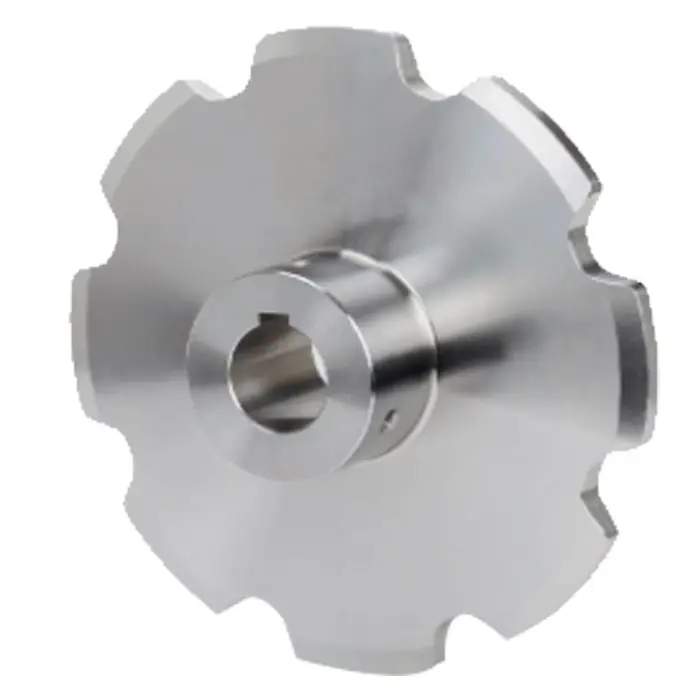
How do I Choose the Right Size and Pitch of a Ladder Sprocket for my Conveyor System?
Choosing the right size and pitch of a ladder sprocket for your conveyor system is critical to ensure proper operation, efficient power transmission, and prolonged equipment life. Here are the steps to guide you through the selection process:
- 1. Identify Conveyor Chain Type: Determine the type of conveyor chain used in your system. Different chain types have specific pitch measurements, and the ladder sprocket must match the chain’s pitch to ensure proper engagement.
- 2. Determine Sprocket Teeth Count: Calculate the required number of teeth for the ladder sprocket based on the desired conveyor speed, driven shaft RPM, and the chain’s speed factor. The speed factor is typically provided by the chain manufacturer.
- 3. Consider Chain Wrap Angle: Ensure that the sprocket size allows for sufficient chain wrap around the sprocket to prevent chain disengagement. The chain wrap angle should be within the manufacturer’s recommended range.
- 4. Assess Conveyor Load: Evaluate the conveyor system’s load and the maximum tension the chain will experience. The ladder sprocket’s material and design must be able to handle the load without deformation or failure.
- 5. Determine Shaft Diameter: The ladder sprocket’s bore size (inner hole) should match the driven shaft’s diameter or use a taper-lock bushing or through-bore hub to adapt the sprocket to the shaft size.
- 6. Consider Space Constraints: Ensure that the chosen ladder sprocket size fits within the available space in the conveyor system without interfering with other components.
- 7. Consult Manufacturer Data: Refer to the ladder sprocket manufacturer’s data and specifications to find the appropriate sprocket size and pitch options for your specific conveyor chain type.
- 8. Opt for High-Quality Materials: Choose a ladder sprocket made from high-quality materials that offer good wear resistance and durability, especially for applications with harsh environments or heavy loads.
- 9. Seek Expert Advice: If you are unsure about the selection process, consult with conveyor system experts or sprocket manufacturers for assistance in choosing the right ladder sprocket size and pitch.
By carefully considering the chain type, conveyor load, sprocket teeth count, and other relevant factors, you can select the appropriate size and pitch of a ladder sprocket that ensures optimal performance and reliable power transmission in your conveyor system.


editor by CX 2023-11-14


