
Productbeschrijving
Bucket elevator is mainly used in many trades such as grain,feed,coal,metallurge,cement factory etc.It can lift the material like graininess,dustlike,small block or oil cleaning.But TDTG type double barrel bucket elevator is not suitable for lifting the material that is over 60ºC, with big impurity, oil surface leaching or with corrosive.Its feature:
1.The side plate of bottom is movable,easy to maintain.
2.The tail wheel,head wheel and shaftis conneted with flat key,it is fixedness.
Struction and working principle:
This machine is composed of elevator top,machine barrel,elevator bottom,rubber belt (chains ) and bucket etc.Rubber belt is surrounding between head wheel and tail wheel, the buckets are fixed on the belt as a certain distance.The material fall into the elevator from inlet, after bucket excavating the material,up to move following belt, throw the material by passing the head wheel,and discharge the material from outlet. In order to clean bottom inside and bucket belt, elevator bottom installed plug board and spiral tension device.
1.Elevator top is composed of chain drive section head cap,discharge ,bearing housing, shaft and head wheel. There are 3 ways of power transmission for users to choose :
1)reducer through flexible coupling straight drive.
2)chain and sprocket drive.
3)V-belt pulley drive.
2.Elevator box is composed of angle steel and steel sheet.
3.Elevator bottom has inlet. there are discharge gate on both sides of bottom under- part. and with spiral tension to adjust bucket belt.
elevator bottom can be installed dust pipe after dismounting the cover.
4.There are 2 kinds of type: rubber belt and chain.two ends of rubber belt are connected with special belt bolts, buckets are fixed on rubber belt (chains) with bucket bolts,nuts and spring washer.
5.There are 2 types of buckets:deep type and shallow type.the deep type buckets are used for graininess material, the shallow type buckets are used for dustlike material.
Main Technical Parameters
.
external view
all kinds of bucket elevator photos
Project Case
/* 22 januari 2571 19:08:37 */!function(){function s(e,r){var a,o={};try{e&&e.split(“,”).forEach(function(e,t){e&&(a=e.match(/(.*?):(.*)$/))&&1
| After-sales Service: | 12 Months |
|---|---|
| Warranty: | 12 Months |
| Structure: | Conveyor System |
| Materiaal: | Carbon Steel |
| Material Feature: | Heat Resistant |
| Application: | Chemical Industry, Grain Transport, Mining Transport, Power Plant |

How do I Prevent Wear and Damage to Ladder Sprockets during Conveyor Operation?
Preventing wear and damage to ladder sprockets during conveyor operation is essential to ensure their longevity and maintain the overall efficiency of the conveyor system. Here are some preventive measures to follow:
- Proper Lubrication: Apply the appropriate lubricant to the ladder sprockets and the conveyor chain regularly. Lubrication reduces friction between the sprocket teeth and the chain links, minimizing wear and prolonging the sprocket’s life.
- Chain Tension: Maintain the correct tension in the conveyor chain. Proper tensioning prevents excessive stress on the ladder sprockets and chain links, reducing wear and preventing premature failure.
- Chain Alignment: Ensure the conveyor chain is correctly aligned with the ladder sprocket. Misalignment can cause uneven wear on the sprocket teeth and chain links, leading to accelerated wear and potential damage.
- Cleanliness: Keep the ladder sprockets and the surrounding area clean from debris, dirt, and contaminants. Foreign particles can cause chain jamming, accelerated wear, and affect sprocket performance.
- Regular Inspection: Conduct regular visual inspections of the ladder sprockets to check for signs of wear, damage, or deformation. Early detection of issues allows for timely maintenance and prevents further damage.
- Replace Worn Sprockets: Monitor the condition of the ladder sprocket teeth regularly. If the sprocket teeth show significant wear, chipping, or deformation, replace the sprocket promptly to prevent further damage to the conveyor chain.
- Inspect Chain Wear: Regularly inspect the conveyor chain for signs of wear, stretching, or elongation. A worn chain can accelerate sprocket wear, so replace the chain if it is beyond its recommended service life.
- Load Capacity: Ensure that the ladder sprockets are appropriately sized and rated for the load capacity of the conveyor system. Using sprockets that are too small or not designed for heavy-duty applications can lead to premature wear and failure.
- Follow Manufacturer’s Guidelines: Adhere to the ladder sprocket manufacturer’s maintenance recommendations and service intervals. Manufacturers may provide specific guidelines for lubrication, tensioning, and inspection to optimize sprocket performance and longevity.
By following these preventive measures, you can minimize wear and damage to ladder sprockets, prolong their service life, and maintain a reliable and efficient conveyor system. Regular maintenance and inspections are essential to identify and address any potential issues early on, preventing costly downtime and ensuring the smooth operation of your conveyor system.

Can Ladder Sprockets be Used in Food Processing and Packaging Conveyors?
Yes, ladder sprockets can be used in food processing and packaging conveyors, but specific considerations must be taken to ensure compliance with food safety regulations and the unique requirements of the industry:
- Material Selection: Choose ladder sprockets made from food-grade materials that meet FDA and other food safety standards. Stainless steel or certain high-strength engineering plastics are commonly used for food processing applications due to their corrosion resistance and ease of cleaning.
- Sanitary Design: Ensure that the ladder sprocket design allows for easy cleaning and sanitization. Smooth surfaces without crevices or tight spaces can prevent bacterial growth and facilitate thorough cleaning.
- Resistance to Contamination: Select ladder sprockets that can withstand the harsh cleaning agents and sanitizing chemicals used in the food industry without degradation or contamination of the food product.
- Hygienic Lubricants: Use food-grade lubricants approved for use in food processing environments to lubricate the ladder sprockets and conveyor chain. Avoid lubricants that may come into contact with the food product.
- Proper Sealing: Ensure that the sprocket bearings are effectively sealed to prevent the ingress of contaminants and maintain a clean conveyor environment.
- Hazard Analysis and Critical Control Points (HACCP): Implement HACCP principles to identify potential hazards in the food processing and packaging process and implement control measures to prevent contamination. Properly selected and maintained ladder sprockets play a part in the overall hazard control strategy.
- Regular Inspection and Maintenance: Establish a robust maintenance program to regularly inspect and clean ladder sprockets to prevent contamination risks and ensure reliable conveyor performance.
- Compliance with Regulations: Ensure that the ladder sprockets and the overall conveyor system comply with relevant food safety regulations and industry standards, such as those set by the FDA, USDA, and other food safety agencies.
Due to the stringent requirements of the food processing and packaging industry, ladder sprockets used in these applications often have specialized designs and materials to ensure food safety and hygiene. It’s essential to work with conveyor system experts and sprocket manufacturers who understand the specific needs of the food industry and can provide suitable solutions.
By using ladder sprockets designed and constructed with food safety in mind, food processing and packaging conveyors can efficiently and safely handle food products while complying with the industry’s stringent regulations and quality standards.
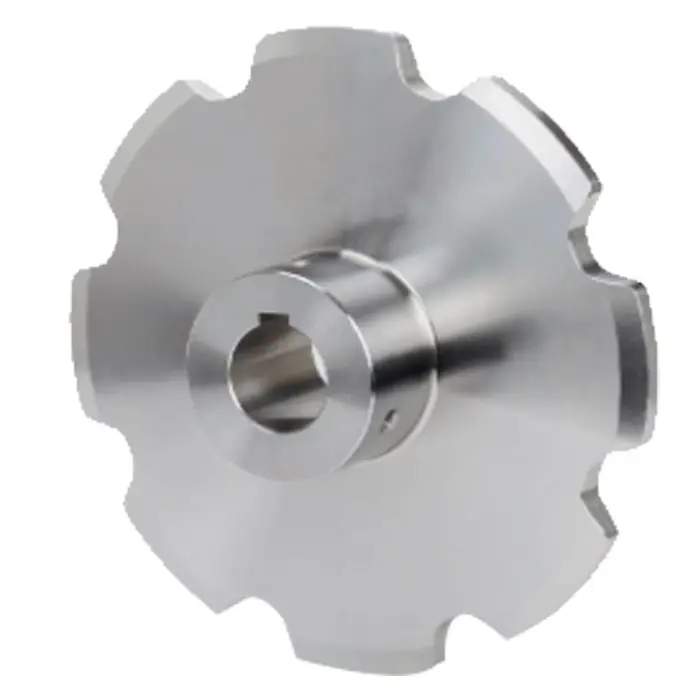
Hoe kies ik de juiste maat en steek van een ladderkettingwiel voor mijn transportbandsysteem?
Het kiezen van de juiste maat en steek van een ladderkettingwiel voor uw transportsysteem is cruciaal voor een goede werking, efficiënte krachtoverbrenging en een lange levensduur van de apparatuur. Hieronder vindt u de stappen om u door het selectieproces te leiden:
- 1. Identificeer het type transportketting: Bepaal welk type transportketting in uw systeem wordt gebruikt. Verschillende kettingtypen hebben specifieke steekmaten en het tandwiel van de kettinggeleider moet overeenkomen met de steek van de ketting om een goede aangrijping te garanderen.
- 2. Bepaal het aantal tanden van het tandwiel: Bereken het benodigde aantal tanden voor het kettingwiel op basis van de gewenste transportsnelheid, het toerental van de aangedreven as en de snelheidsfactor van de ketting. De snelheidsfactor wordt doorgaans door de kettingfabrikant opgegeven.
- 3. Houd rekening met de kettingwikkelhoek: Zorg ervoor dat de tandwielgrootte voldoende ruimte biedt voor de ketting om het tandwiel heen te wikkelen, zodat de ketting niet losraakt. De hoek van de kettingwikkeling moet binnen het door de fabrikant aanbevolen bereik liggen.
- 4. Beoordeel de belasting van de transportband: Evalueer de belasting van het transportsysteem en de maximale spanning die de ketting zal ondervinden. Het materiaal en het ontwerp van het kettingwiel moeten bestand zijn tegen deze belasting zonder vervorming of breuk.
- 5. Bepaal de asdiameter: De boring (binnendiameter) van het laddertandwiel moet overeenkomen met de diameter van de aangedreven as. Er kan ook een conische bus of een doorlopende naaf worden gebruikt om het tandwiel aan de asdiameter aan te passen.
- 6. Houd rekening met ruimtebeperkingen: Zorg ervoor dat de gekozen tandwielmaat van de ladder in de beschikbare ruimte van het transportsysteem past, zonder andere onderdelen te hinderen.
- 7. Raadpleeg de fabrikantgegevens: Raadpleeg de gegevens en specificaties van de fabrikant van de kettingwielen om de juiste maat en steekopties voor uw specifieke type transportketting te vinden.
- 8. Kies voor hoogwaardige materialen: Kies een ladderkettingwiel gemaakt van hoogwaardige materialen die een goede slijtvastheid en duurzaamheid bieden, vooral voor toepassingen in zware omstandigheden of bij zware belastingen.
- 9. Vraag deskundig advies: Als u twijfelt over het selectieproces, raadpleeg dan experts op het gebied van transportsystemen of fabrikanten van tandwielen voor hulp bij het kiezen van de juiste maat en steek van het laddertandwiel.
Door zorgvuldig rekening te houden met het type ketting, de belasting van de transportband, het aantal tanden van het tandwiel en andere relevante factoren, kunt u de juiste maat en steek van een laddertandwiel selecteren die optimale prestaties en betrouwbare krachtoverbrenging in uw transportbandsysteem garandeert.


editor by Dream 2024-05-10


