
Productbeschrijving
China Low price High Speed Ladder type cable tray roll forming machine
cable tray system is used to support insulated electrical cables used for power distribution, control, and communication. Cable trays are used as an alternative to open wiring or electrical conduit systems, and are commonly used for cable management in commercial and industrial construction
cable tray making machines,cable tray roll forming machine,Cable Tray Production Line make different sizes of cable tray, for example cable tray width from 100-800mm, height from 50-200mm. it is easy to change size by moving whole line rollers and cut blade positions.
Process of cable tray forming machines:
decoiler material-leveling-punch-cutting-powered transmission table-forming
Main features of cable forming machines
suitable material thickness 0.8-2.5mm
gearbox move the cable tray lines
roller material CR12 mould
solid shaft diameter 80mm
punch capicity 25T x 2
machine weight about 40 ton
Decoiler
5 Tons hydraulic Decoiler,material width <= 1250mm, inner coil <= 480-520mm,outter diameter coil <= 1500mm.
Material Feeding Xihu (West Lake) Dis.
1. Positioning plate: Adjust the position of both ends to makt it fit the width of the feeding.
2.Xihu (West Lake) Dis. frame: Play a role in supporting the transport of the matrial roll
3. Xihu (West Lake) Dis. roller:The upper and lower round rollers are designed to make the feeding process more smooth.
Leveling Device1.leveling roller upper 5 roller,down 4 rollers
2. Leveling roller diameter: 100mm
3.Material: 40Cr heat treatment, electroplating
4.Motor Power: 7.5kw
5.Leveling speed: 12m/min
Punching Part
1.Hydraulic punching, all holes required for punching profiles at 1 time, adjustable punching row spacing
2.Cylinder: 25ton x 2
3.Hydraulic power: 11kw
4.Die Material:Cr12 Mov heat treatment HRC5-62,Two dies
5. Punching accuracy:+ – 1 mm
6. Type-changing method: the screw rod adjusts the position of the left and right oil cylinders,and the left and right hole row spacing
can be adjusted
Hydraulic pre-cutting
1.Hydraulic front shearing,stop cutting,no waste
2.Cylinder: 15 tons
3.Blade material; Cr12 Heat treatment HRC58-62
powered transmission table
1.Power flat roll, motor drive, screw width adjustment
2.Length 6 mtrs
3.Flat roll size: Φ60mm, 45# steel surface electroplating
4.Motor power: 1.5 kw
Main Roll Forming Mill
1.Automatic continuous roll forming, manual + automatic control, motor drive, stepless adjustment in the range of width 100-800, height 50-200, electric control to adjust the above parameters
2.Forming material: ordinary cold-rolled sheet and galvanized sheet below 350Mpa
3.Working range: feed width 1200mm, material thickness 1.0-2.0mm
4.Roller stations: 26 stations
5.Motor Power:5.5+4 kw
6.Transmission mode: gear, sprocket
7.Shaft Diameter: 80mm,45# steel
8.Roller material: 40Cr heat treatment HRC55-60, hard chrome plating on the surface
9.Forming frame: H400 section steel welded with 25mm table top, the whole is shot blasted and sanded to remove rust. Multi-hole gantry milling machine table and connection port.
10:Wall panel: 25mm thick iron plate, plasma cutting nitrogen cooling to ensure straightness ±1mm, surface shot blasting and sanding to remove rust, 5m CNC gantry milling to process the appearance, bearing holes and bearing slip.
11.Forming Speed:12m/min
12.Adjustment method: The display screen sets the profile parameters, the computer automatically adjusts the distance between the left and right
roll groups, and the motor drives
13:Adjusting motor power: 2.2kw x 2
Product Features
1. More efficient and accurate execution of production orders;
2. High equipment reliability;
3. Little waste of materials and energy;
4. High productivity;
5. High quality materials, get a longer service life;
6. All parts of the machine are processed with precision, and the surface of the roll is chromeplated to ensure that customers can
get qualified products at the same time, it can avoid the scratch of the color steel surface paint, and increase the service life of the roll;
7. Customized coil processing solutions to solve all aspects of technical problems.
Why choose Us?
- We have sold more than 3000 sets roll forming machines to many countries around the world.
- We have hundreds of models about all kinds of roll forming machine for your reference, you could’t worry if you don’t have a profile drawing.We can recommond you some classical models that is common in your country.
- When designing the machine, our considerate service will estimate and avoid the problem that may happen.
- One set machine can provide many solutions with different price level.But they are all the cost-effective.
- We attach importance to many details. Every machine part quality is higher than our competitors in same price level.
| After-sales Service: | Online Support, Free Spare Parts |
|---|---|
| Warranty: | 12 Months |
| Certification: | CE, ISO9001 |
| Customized: | Customized |
| Condition: | New |
| Control Type: | CNC |
| Voorbeelden: |
US$ 110000/Set
1 Set(Min.Order) | |
|---|
| Aanpassing: |
Beschikbaar
| Aanvraag op maat |
|---|

How do I Prevent Wear and Damage to Ladder Sprockets during Conveyor Operation?
Preventing wear and damage to ladder sprockets during conveyor operation is essential to ensure their longevity and maintain the overall efficiency of the conveyor system. Here are some preventive measures to follow:
- Proper Lubrication: Apply the appropriate lubricant to the ladder sprockets and the conveyor chain regularly. Lubrication reduces friction between the sprocket teeth and the chain links, minimizing wear and prolonging the sprocket’s life.
- Chain Tension: Maintain the correct tension in the conveyor chain. Proper tensioning prevents excessive stress on the ladder sprockets and chain links, reducing wear and preventing premature failure.
- Chain Alignment: Ensure the conveyor chain is correctly aligned with the ladder sprocket. Misalignment can cause uneven wear on the sprocket teeth and chain links, leading to accelerated wear and potential damage.
- Cleanliness: Keep the ladder sprockets and the surrounding area clean from debris, dirt, and contaminants. Foreign particles can cause chain jamming, accelerated wear, and affect sprocket performance.
- Regular Inspection: Conduct regular visual inspections of the ladder sprockets to check for signs of wear, damage, or deformation. Early detection of issues allows for timely maintenance and prevents further damage.
- Replace Worn Sprockets: Monitor the condition of the ladder sprocket teeth regularly. If the sprocket teeth show significant wear, chipping, or deformation, replace the sprocket promptly to prevent further damage to the conveyor chain.
- Inspect Chain Wear: Regularly inspect the conveyor chain for signs of wear, stretching, or elongation. A worn chain can accelerate sprocket wear, so replace the chain if it is beyond its recommended service life.
- Load Capacity: Ensure that the ladder sprockets are appropriately sized and rated for the load capacity of the conveyor system. Using sprockets that are too small or not designed for heavy-duty applications can lead to premature wear and failure.
- Follow Manufacturer’s Guidelines: Adhere to the ladder sprocket manufacturer’s maintenance recommendations and service intervals. Manufacturers may provide specific guidelines for lubrication, tensioning, and inspection to optimize sprocket performance and longevity.
By following these preventive measures, you can minimize wear and damage to ladder sprockets, prolong their service life, and maintain a reliable and efficient conveyor system. Regular maintenance and inspections are essential to identify and address any potential issues early on, preventing costly downtime and ensuring the smooth operation of your conveyor system.
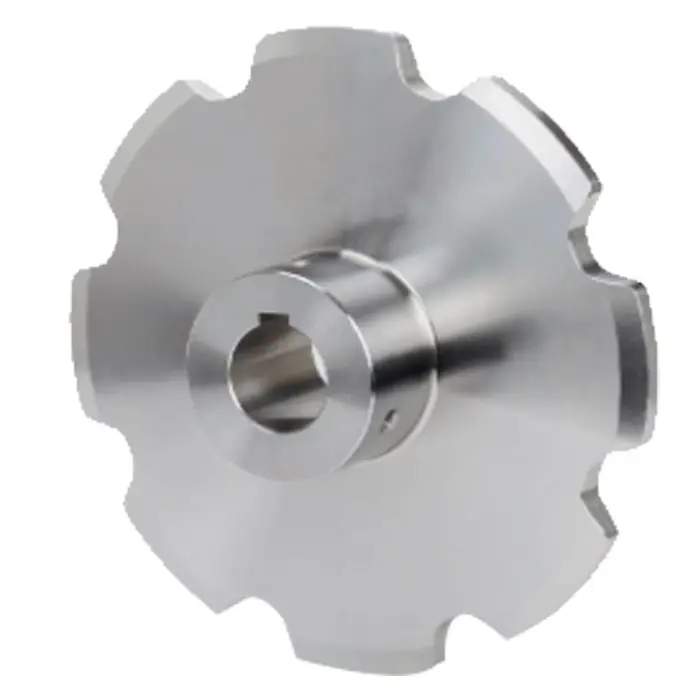
How do I Calculate the Required Torque and Power for a Ladder Sprocket Setup?
Calculating the required torque and power for a ladder sprocket setup involves considering several factors related to the conveyor system’s design and operation. Here’s a step-by-step guide to the calculation process:
- Identify Parameters: Gather the necessary data, including conveyor system specifications such as conveyor length, speed, chain pitch, sprocket diameter, and the weight of the conveyed material per unit length (if applicable).
- Calculate Chain Tension: Determine the chain tension in the conveyor system. Chain tension depends on the conveyor’s angle of inclination, the weight of the material being conveyed, and any additional forces acting on the chain.
- Calculate Chain Pull Force: The chain pull force is the force required to move the conveyor chain. It is calculated by multiplying the chain tension by the number of chain strands.
- Calculate Torque: To calculate the torque required for the ladder sprocket, multiply the chain pull force by the sprocket radius. The sprocket radius is half of the sprocket diameter.
- Consider Efficiency: Take into account the efficiency of the conveyor system. The actual torque required will be higher than the calculated torque due to efficiency losses in bearings, chains, and other components.
- Calculate Power: To determine the power required for the ladder sprocket setup, multiply the calculated torque by the conveyor’s rotational speed in radians per second. The rotational speed can be obtained by converting the conveyor speed from meters per second to radians per second.
- Apply Safety Factors: Apply safety factors to the calculated torque and power values to ensure that the system can handle occasional peak loads and avoid running the system at its maximum capacity continuously.
Keep in mind that these calculations provide an estimate of the required torque and power for the ladder sprocket setup. Actual operating conditions, variations in material properties, and other external factors may influence the results. Additionally, it’s essential to consult conveyor system experts or sprocket manufacturers for further guidance and to verify the accuracy of the calculations.
By accurately calculating the required torque and power, you can ensure that the ladder sprocket setup is appropriately sized to handle the conveyor system’s load and operational demands, leading to efficient and reliable conveyor performance.
Hoe kies ik de juiste maat en steek van een ladderkettingwiel voor mijn transportbandsysteem?
Het kiezen van de juiste maat en steek van een ladderkettingwiel voor uw transportsysteem is cruciaal voor een goede werking, efficiënte krachtoverbrenging en een lange levensduur van de apparatuur. Hieronder vindt u de stappen om u door het selectieproces te leiden:
- 1. Identificeer het type transportketting: Bepaal welk type transportketting in uw systeem wordt gebruikt. Verschillende kettingtypen hebben specifieke steekmaten en het tandwiel van de kettinggeleider moet overeenkomen met de steek van de ketting om een goede aangrijping te garanderen.
- 2. Bepaal het aantal tanden van het tandwiel: Bereken het benodigde aantal tanden voor het kettingwiel op basis van de gewenste transportsnelheid, het toerental van de aangedreven as en de snelheidsfactor van de ketting. De snelheidsfactor wordt doorgaans door de kettingfabrikant opgegeven.
- 3. Houd rekening met de kettingwikkelhoek: Zorg ervoor dat de tandwielgrootte voldoende ruimte biedt voor de ketting om het tandwiel heen te wikkelen, zodat de ketting niet losraakt. De hoek van de kettingwikkeling moet binnen het door de fabrikant aanbevolen bereik liggen.
- 4. Beoordeel de belasting van de transportband: Evalueer de belasting van het transportsysteem en de maximale spanning die de ketting zal ondervinden. Het materiaal en het ontwerp van het kettingwiel moeten bestand zijn tegen deze belasting zonder vervorming of breuk.
- 5. Bepaal de asdiameter: De boring (binnendiameter) van het laddertandwiel moet overeenkomen met de diameter van de aangedreven as. Er kan ook een conische bus of een doorlopende naaf worden gebruikt om het tandwiel aan de asdiameter aan te passen.
- 6. Houd rekening met ruimtebeperkingen: Zorg ervoor dat de gekozen tandwielmaat van de ladder in de beschikbare ruimte van het transportsysteem past, zonder andere onderdelen te hinderen.
- 7. Raadpleeg de fabrikantgegevens: Raadpleeg de gegevens en specificaties van de fabrikant van de kettingwielen om de juiste maat en steekopties voor uw specifieke type transportketting te vinden.
- 8. Kies voor hoogwaardige materialen: Kies een ladderkettingwiel gemaakt van hoogwaardige materialen die een goede slijtvastheid en duurzaamheid bieden, vooral voor toepassingen in zware omstandigheden of bij zware belastingen.
- 9. Vraag deskundig advies: Als u twijfelt over het selectieproces, raadpleeg dan experts op het gebied van transportsystemen of fabrikanten van tandwielen voor hulp bij het kiezen van de juiste maat en steek van het laddertandwiel.
Door zorgvuldig rekening te houden met het type ketting, de belasting van de transportband, het aantal tanden van het tandwiel en andere relevante factoren, kunt u de juiste maat en steek van een laddertandwiel selecteren die optimale prestaties en betrouwbare krachtoverbrenging in uw transportbandsysteem garandeert.


editor by CX 2023-10-08


