
Produktbeskrivning
Bucket elevator is mainly used in many trades such as grain,feed,coal,metallurge,cement factory etc.It can lift the material like graininess,dustlike,small block or oil cleaning.But TDTG type double barrel bucket elevator is not suitable for lifting the material that is over 60ºC, with big impurity, oil surface leaching or with corrosive.Its feature:
1.The side plate of bottom is movable,easy to maintain.
2.The tail wheel,head wheel and shaftis conneted with flat key,it is fixedness.
Struction and working principle:
This machine is composed of elevator top,machine barrel,elevator bottom,rubber belt (chains ) and bucket etc.Rubber belt is surrounding between head wheel and tail wheel, the buckets are fixed on the belt as a certain distance.The material fall into the elevator from inlet, after bucket excavating the material,up to move following belt, throw the material by passing the head wheel,and discharge the material from outlet. In order to clean bottom inside and bucket belt, elevator bottom installed plug board and spiral tension device.
1.Elevator top is composed of chain drive section head cap,discharge ,bearing housing, shaft and head wheel. There are 3 ways of power transmission for users to choose :
1)reducer through flexible coupling straight drive.
2)chain and sprocket drive.
3)V-belt pulley drive.
2.Elevator box is composed of angle steel and steel sheet.
3.Elevator bottom has inlet. there are discharge gate on both sides of bottom under- part. and with spiral tension to adjust bucket belt.
elevator bottom can be installed dust pipe after dismounting the cover.
4.There are 2 kinds of type: rubber belt and chain.two ends of rubber belt are connected with special belt bolts, buckets are fixed on rubber belt (chains) with bucket bolts,nuts and spring washer.
5.There are 2 types of buckets:deep type and shallow type.the deep type buckets are used for graininess material, the shallow type buckets are used for dustlike material.
Main Technical Parameters
.
external view
all kinds of bucket elevator photos
Project Case
| After-sales Service: | 12 Months |
|---|---|
| Warranty: | 12 Months |
| Strukturera: | Conveyor System |
| Material: | Kolstål |
| Material Feature: | Heat Resistant |
| Ansökan: | Chemical Industry, Grain Transport, Mining Transport, Power Plant |

Hur installerar och justerar jag steghjul korrekt för optimal transportbandsprestanda?
Korrekt installation och uppriktning av steghjul är avgörande för att säkerställa optimal transportörprestanda och förlänga hjulets livslängd. Här är stegen att följa:
- 1. Inspektion före installation: Innan installationen, kontrollera stegens kedjehjul för synliga skador, defekter eller problem. Se till att kedjehjulet är fritt från skräp och föroreningar.
- 2. Verifiera kedjekompatibilitet: Bekräfta att stegens kedjehjul är kompatibelt med den specifika transportörkedjan som används i systemet. Kedjehjulet måste matcha kedjans stigning och konfiguration för att säkerställa korrekt ingrepp.
- 3. Förberedelse av axel och nav: Förbered den drivna axeln genom att säkerställa att den är ren, fri från skador och uppfyller de erforderliga diameterspecifikationerna. Om du använder ett nav, se till att det sitter ordentligt på axeln.
- 4. Justera kedjehjulets position: Placera steghjulet på den drivna axeln och se till att det är centrerat och korrekt justerat. Använd uppriktningsverktyg och mätningar för att säkerställa noggrannhet.
- 5. Ställ in spänning och slack: Justera transportbandskedjans spänning enligt tillverkarens rekommenderade specifikationer. Undvik överdriven spänning, eftersom det kan leda till snabbare slitage, och se till att det finns tillräckligt med slack för att kedjan ska kunna röra sig.
- 6. Kontrollera kedjeingreppet: Kontrollera att transportbandskedjan griper ordentligt in i stegens kedjehjul. Kedjelänkarna ska vila ordentligt i stegens kedjehjuls springor utan att kärva eller hoppa.
- 7. Verifiera kedjelindningsvinkel: Kontrollera att kedjans lindningsvinkel runt drevet ligger inom tillverkarens rekommenderade område. Tillräcklig lindningsvinkel säkerställer korrekt kraftöverföring och förhindrar att kedjan slirar.
- 8. Smörjning: Applicera lämpligt smörjmedel på steghjulet och transportbandskedjan enligt tillverkarens anvisningar. Korrekt smörjning minskar friktion och slitage.
- 9. Inkörningsperiod: Efter installationen, kör transportbandssystemet utan last under en kort period så att kedjan och kedjehjulet kan stabilisera sig och självjustera sig. Kontrollera om det finns några ovanliga ljud eller problem under denna inkörningsperiod.
- 10. Regelbunden inspektion och underhåll: Schemalägg regelbundna inspektioner av stegens kedjehjul och transportörkedja för att snabbt identifiera och åtgärda eventuella slitage- eller justeringsproblem. Utför underhållsuppgifter, såsom smörjning och spänningsjusteringar, enligt tillverkarens rekommendationer.
Korrekt installation och justering av stegdrev säkerställer pålitlig kraftöverföring, minskar slitage på drev och kedja och minimerar risken för oväntade fel. Att följa tillverkarens riktlinjer och arbeta med erfarna experter på transportbandssystem kan bidra till att uppnå optimal prestanda och effektivitet i ditt transportbandssystem.
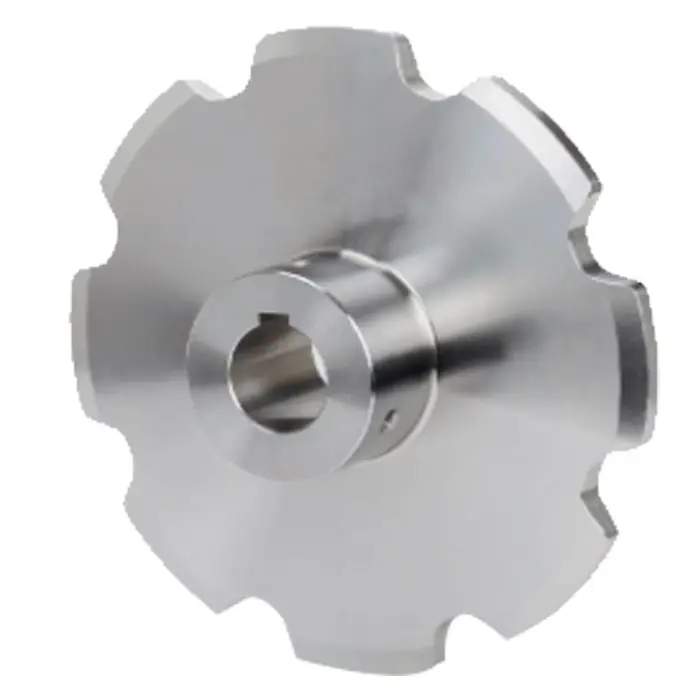
How do I Calculate the Required Torque and Power for a Ladder Sprocket Setup?
Calculating the required torque and power for a ladder sprocket setup involves considering several factors related to the conveyor system’s design and operation. Here’s a step-by-step guide to the calculation process:
- Identify Parameters: Gather the necessary data, including conveyor system specifications such as conveyor length, speed, chain pitch, sprocket diameter, and the weight of the conveyed material per unit length (if applicable).
- Calculate Chain Tension: Determine the chain tension in the conveyor system. Chain tension depends on the conveyor’s angle of inclination, the weight of the material being conveyed, and any additional forces acting on the chain.
- Calculate Chain Pull Force: The chain pull force is the force required to move the conveyor chain. It is calculated by multiplying the chain tension by the number of chain strands.
- Calculate Torque: To calculate the torque required for the ladder sprocket, multiply the chain pull force by the sprocket radius. The sprocket radius is half of the sprocket diameter.
- Consider Efficiency: Take into account the efficiency of the conveyor system. The actual torque required will be higher than the calculated torque due to efficiency losses in bearings, chains, and other components.
- Calculate Power: To determine the power required for the ladder sprocket setup, multiply the calculated torque by the conveyor’s rotational speed in radians per second. The rotational speed can be obtained by converting the conveyor speed from meters per second to radians per second.
- Apply Safety Factors: Apply safety factors to the calculated torque and power values to ensure that the system can handle occasional peak loads and avoid running the system at its maximum capacity continuously.
Keep in mind that these calculations provide an estimate of the required torque and power for the ladder sprocket setup. Actual operating conditions, variations in material properties, and other external factors may influence the results. Additionally, it’s essential to consult conveyor system experts or sprocket manufacturers for further guidance and to verify the accuracy of the calculations.
By accurately calculating the required torque and power, you can ensure that the ladder sprocket setup is appropriately sized to handle the conveyor system’s load and operational demands, leading to efficient and reliable conveyor performance.
How do I Choose the Right Size and Pitch of a Ladder Sprocket for my Conveyor System?
Choosing the right size and pitch of a ladder sprocket for your conveyor system is critical to ensure proper operation, efficient power transmission, and prolonged equipment life. Here are the steps to guide you through the selection process:
- 1. Identify Conveyor Chain Type: Determine the type of conveyor chain used in your system. Different chain types have specific pitch measurements, and the ladder sprocket must match the chain’s pitch to ensure proper engagement.
- 2. Determine Sprocket Teeth Count: Calculate the required number of teeth for the ladder sprocket based on the desired conveyor speed, driven shaft RPM, and the chain’s speed factor. The speed factor is typically provided by the chain manufacturer.
- 3. Consider Chain Wrap Angle: Ensure that the sprocket size allows for sufficient chain wrap around the sprocket to prevent chain disengagement. The chain wrap angle should be within the manufacturer’s recommended range.
- 4. Assess Conveyor Load: Evaluate the conveyor system’s load and the maximum tension the chain will experience. The ladder sprocket’s material and design must be able to handle the load without deformation or failure.
- 5. Determine Shaft Diameter: The ladder sprocket’s bore size (inner hole) should match the driven shaft’s diameter or use a taper-lock bushing or through-bore hub to adapt the sprocket to the shaft size.
- 6. Consider Space Constraints: Ensure that the chosen ladder sprocket size fits within the available space in the conveyor system without interfering with other components.
- 7. Consult Manufacturer Data: Refer to the ladder sprocket manufacturer’s data and specifications to find the appropriate sprocket size and pitch options for your specific conveyor chain type.
- 8. Opt for High-Quality Materials: Choose a ladder sprocket made from high-quality materials that offer good wear resistance and durability, especially for applications with harsh environments or heavy loads.
- 9. Seek Expert Advice: If you are unsure about the selection process, consult with conveyor system experts or sprocket manufacturers for assistance in choosing the right ladder sprocket size and pitch.
By carefully considering the chain type, conveyor load, sprocket teeth count, and other relevant factors, you can select the appropriate size and pitch of a ladder sprocket that ensures optimal performance and reliable power transmission in your conveyor system.


editor by CX 2023-10-07


