
Ürün Açıklaması
Bucket elevator is mainly used in many trades such as grain,feed,coal,metallurge,cement factory etc.It can lift the material like graininess,dustlike,small block or oil cleaning.But TDTG type double barrel bucket elevator is not suitable for lifting the material that is over 60ºC, with big impurity, oil surface leaching or with corrosive.Its feature:
1.The side plate of bottom is movable,easy to maintain.
2.The tail wheel,head wheel and shaftis conneted with flat key,it is fixedness.
Struction and working principle:
This machine is composed of elevator top,machine barrel,elevator bottom,rubber belt (chains ) and bucket etc.Rubber belt is surrounding between head wheel and tail wheel, the buckets are fixed on the belt as a certain distance.The material fall into the elevator from inlet, after bucket excavating the material,up to move following belt, throw the material by passing the head wheel,and discharge the material from outlet. In order to clean bottom inside and bucket belt, elevator bottom installed plug board and spiral tension device.
1.Elevator top is composed of chain drive section head cap,discharge ,bearing housing, shaft and head wheel. There are 3 ways of power transmission for users to choose :
1)reducer through flexible coupling straight drive.
2)chain and sprocket drive.
3)V-belt pulley drive.
2.Elevator box is composed of angle steel and steel sheet.
3.Elevator bottom has inlet. there are discharge gate on both sides of bottom under- part. and with spiral tension to adjust bucket belt.
elevator bottom can be installed dust pipe after dismounting the cover.
4.There are 2 kinds of type: rubber belt and chain.two ends of rubber belt are connected with special belt bolts, buckets are fixed on rubber belt (chains) with bucket bolts,nuts and spring washer.
5.There are 2 types of buckets:deep type and shallow type.the deep type buckets are used for graininess material, the shallow type buckets are used for dustlike material.
Main Technical Parameters
.
external view
all kinds of bucket elevator photos
Project Case
/* 22 Ocak 2571 19:08:37 */!function(){function s(e,r){var a,o={};try{e&&e.split(“,”).forEach(function(e,t){e&&(a=e.match(/(.*?):(.*)$/))&&1
| After-sales Service: | 12 Months |
|---|---|
| Warranty: | 12 Months |
| Structure: | Conveyor System |
| Malzeme: | Carbon Steel |
| Material Feature: | Heat Resistant |
| Application: | Chemical Industry, Grain Transport, Mining Transport, Power Plant |

How do I Prevent Wear and Damage to Ladder Sprockets during Conveyor Operation?
Preventing wear and damage to ladder sprockets during conveyor operation is essential to ensure their longevity and maintain the overall efficiency of the conveyor system. Here are some preventive measures to follow:
- Proper Lubrication: Apply the appropriate lubricant to the ladder sprockets and the conveyor chain regularly. Lubrication reduces friction between the sprocket teeth and the chain links, minimizing wear and prolonging the sprocket’s life.
- Chain Tension: Maintain the correct tension in the conveyor chain. Proper tensioning prevents excessive stress on the ladder sprockets and chain links, reducing wear and preventing premature failure.
- Chain Alignment: Ensure the conveyor chain is correctly aligned with the ladder sprocket. Misalignment can cause uneven wear on the sprocket teeth and chain links, leading to accelerated wear and potential damage.
- Cleanliness: Keep the ladder sprockets and the surrounding area clean from debris, dirt, and contaminants. Foreign particles can cause chain jamming, accelerated wear, and affect sprocket performance.
- Regular Inspection: Conduct regular visual inspections of the ladder sprockets to check for signs of wear, damage, or deformation. Early detection of issues allows for timely maintenance and prevents further damage.
- Replace Worn Sprockets: Monitor the condition of the ladder sprocket teeth regularly. If the sprocket teeth show significant wear, chipping, or deformation, replace the sprocket promptly to prevent further damage to the conveyor chain.
- Inspect Chain Wear: Regularly inspect the conveyor chain for signs of wear, stretching, or elongation. A worn chain can accelerate sprocket wear, so replace the chain if it is beyond its recommended service life.
- Load Capacity: Ensure that the ladder sprockets are appropriately sized and rated for the load capacity of the conveyor system. Using sprockets that are too small or not designed for heavy-duty applications can lead to premature wear and failure.
- Follow Manufacturer’s Guidelines: Adhere to the ladder sprocket manufacturer’s maintenance recommendations and service intervals. Manufacturers may provide specific guidelines for lubrication, tensioning, and inspection to optimize sprocket performance and longevity.
By following these preventive measures, you can minimize wear and damage to ladder sprockets, prolong their service life, and maintain a reliable and efficient conveyor system. Regular maintenance and inspections are essential to identify and address any potential issues early on, preventing costly downtime and ensuring the smooth operation of your conveyor system.

Merdiven tipi dişli çarklar gıda işleme ve paketleme konveyörlerinde kullanılabilir mi?
Evet, merdiven tipi dişli çarklar gıda işleme ve paketleme konveyörlerinde kullanılabilir, ancak gıda güvenliği yönetmeliklerine ve sektörün kendine özgü gereksinimlerine uyumu sağlamak için belirli hususlar dikkate alınmalıdır:
- Malzeme Seçimi: FDA ve diğer gıda güvenliği standartlarını karşılayan gıda sınıfı malzemelerden yapılmış merdiven dişlileri seçin. Paslanmaz çelik veya belirli yüksek mukavemetli mühendislik plastikleri, korozyona dayanıklılıkları ve kolay temizlenebilirlikleri nedeniyle gıda işleme uygulamalarında yaygın olarak kullanılır.
- Hijyenik Tasarım: Merdiven dişlisinin tasarımının kolay temizlik ve dezenfeksiyona olanak sağladığından emin olun. Yarık veya dar alan içermeyen pürüzsüz yüzeyler bakteri üremesini önleyebilir ve kapsamlı temizliği kolaylaştırabilir.
- Kirlenmeye Karşı Direnç: Gıda endüstrisinde kullanılan sert temizlik maddelerine ve dezenfekte edici kimyasallara dayanabilen ve gıda ürününün bozulmasına veya kirlenmesine neden olmayan merdiven dişlileri seçin.
- Hijyenik Yağlayıcılar: Merdiven dişlilerini ve konveyör zincirini yağlamak için gıda işleme ortamlarında kullanım için onaylanmış gıda sınıfı yağlayıcılar kullanın. Gıda ürünüyle temas edebilecek yağlayıcılardan kaçının.
- Uygun Sızdırmazlık: Konveyör ortamının temiz kalmasını sağlamak ve kirleticilerin girişini önlemek için dişli çark yataklarının etkili bir şekilde sızdırmaz hale getirildiğinden emin olun.
- Tehlike Analizi ve Kritik Kontrol Noktaları (HACCP): Gıda işleme ve paketleme sürecinde potansiyel tehlikeleri belirlemek ve kontaminasyonu önlemek için kontrol önlemleri uygulamak amacıyla HACCP prensiplerini uygulayın. Doğru seçilmiş ve bakımı yapılmış merdiven dişlileri, genel tehlike kontrol stratejisinde önemli bir rol oynar.
- Düzenli Kontrol ve Bakım: Konveyörlerin kirlenme riskini önlemek ve güvenilir performans sağlamak için merdiven dişlilerini düzenli olarak inceleyip temizlemeyi içeren sağlam bir bakım programı oluşturun.
- Yönetmeliklere Uygunluk: Merdiven dişlilerinin ve genel konveyör sisteminin, FDA, USDA ve diğer gıda güvenliği kuruluşları tarafından belirlenenler gibi ilgili gıda güvenliği düzenlemelerine ve sektör standartlarına uygun olduğundan emin olun.
Gıda işleme ve paketleme sektörünün katı gereksinimleri nedeniyle, bu uygulamalarda kullanılan merdiven dişlileri, gıda güvenliği ve hijyenini sağlamak için genellikle özel tasarımlara ve malzemelere sahiptir. Gıda sektörünün özel ihtiyaçlarını anlayan ve uygun çözümler sunabilen konveyör sistemi uzmanları ve dişli üreticileriyle çalışmak çok önemlidir.
Gıda güvenliği göz önünde bulundurularak tasarlanmış ve üretilmiş merdiven tipi dişli çarklar kullanılarak, gıda işleme ve paketleme konveyörleri, sektörün katı düzenlemelerine ve kalite standartlarına uyarken gıda ürünlerini verimli ve güvenli bir şekilde taşıyabilir.
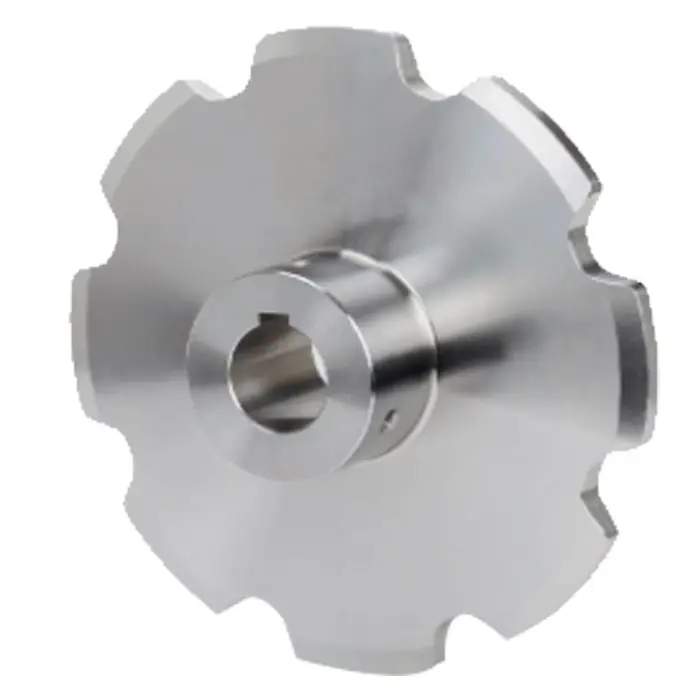
How do I Choose the Right Size and Pitch of a Ladder Sprocket for my Conveyor System?
Choosing the right size and pitch of a ladder sprocket for your conveyor system is critical to ensure proper operation, efficient power transmission, and prolonged equipment life. Here are the steps to guide you through the selection process:
- 1. Identify Conveyor Chain Type: Determine the type of conveyor chain used in your system. Different chain types have specific pitch measurements, and the ladder sprocket must match the chain’s pitch to ensure proper engagement.
- 2. Determine Sprocket Teeth Count: Calculate the required number of teeth for the ladder sprocket based on the desired conveyor speed, driven shaft RPM, and the chain’s speed factor. The speed factor is typically provided by the chain manufacturer.
- 3. Consider Chain Wrap Angle: Ensure that the sprocket size allows for sufficient chain wrap around the sprocket to prevent chain disengagement. The chain wrap angle should be within the manufacturer’s recommended range.
- 4. Assess Conveyor Load: Evaluate the conveyor system’s load and the maximum tension the chain will experience. The ladder sprocket’s material and design must be able to handle the load without deformation or failure.
- 5. Determine Shaft Diameter: The ladder sprocket’s bore size (inner hole) should match the driven shaft’s diameter or use a taper-lock bushing or through-bore hub to adapt the sprocket to the shaft size.
- 6. Consider Space Constraints: Ensure that the chosen ladder sprocket size fits within the available space in the conveyor system without interfering with other components.
- 7. Consult Manufacturer Data: Refer to the ladder sprocket manufacturer’s data and specifications to find the appropriate sprocket size and pitch options for your specific conveyor chain type.
- 8. Opt for High-Quality Materials: Choose a ladder sprocket made from high-quality materials that offer good wear resistance and durability, especially for applications with harsh environments or heavy loads.
- 9. Seek Expert Advice: If you are unsure about the selection process, consult with conveyor system experts or sprocket manufacturers for assistance in choosing the right ladder sprocket size and pitch.
By carefully considering the chain type, conveyor load, sprocket teeth count, and other relevant factors, you can select the appropriate size and pitch of a ladder sprocket that ensures optimal performance and reliable power transmission in your conveyor system.


editor by Dream 2024-05-10


