
Mô tả sản phẩm
Metal mesh strong Wire stainless steel flat flex conveyor belts for bread baking freezing drying are usually gear transmission belt, with good ventilation advantages, tension evenly, fine workmanship, the flat flex belts with a flexible rotation, good stability, High temperature, pressure resistance, corrosion resistance, long life and so on.Flat flex conveyor belts are used with a single-layer structure, lighter, the use of sprocket drive. Large open area (opening 70-85%), often used in the lighter weight of the product cooling, frying, baking, drying, heating, decoration, wrapped powder and packaging equipment.
| Specifications of Flat Flex Conveyor Belts | ||||
| Item | Wire diameter (mm) |
Pitch (mm) |
Open area (%) |
Edge type |
| FFCB-01 | 0.9 | 4.24 | 77 | Single/ double |
| FFCB-02 | 0.9 | 5.64 | 82 | Single/ double |
| FFCB-03 | 1.0 | 5.5 | 79 | Single/ double |
| FFCB-04 | 1.0 | 5.6 | 79.5 | Single/ double |
| FFCB-05 | 1.27 | 4.3 | 67 | Single |
| FFCB-06 | 1.27 | 5.5 | 73 | Single/ double |
| FFCB-07 | 1.27 | 6.0 | 76 | Single/ double |
| FFCB-08 | 1.27 | 6.35 | 77 | Single/ double |
| FFCB-09 | 1.27 | 7.26 | 80 | Single/ double/ C-shape |
| FFCB-10 | 1.40 | 6.40 | 76 | Single/ C-shape |
| FFCB-11 | 1.60 | 7.26 | 75 | Single/ double/ C-shape |
| FFCB-12 | 1.83 | 12.00 | 81 | Single |
| FFCB-13 | 1.83 | 12.70 | 82 | Single/ C-shape |
| FFCB-14 | 2.08 | 9.60 | 75 | Single/ C-shape |
| FFCB-15 | 2.35 | 12.70 | 78 | Single/ C-shape |
| FFCB-16 | 2.35 | 20.32 | 85 | Single |
| FFCB-17 | 2.80 | 12.70 | 72 | Single/ C-shape |
| Note: Custom specification is available if you can’t find the suitable size. | ||||
| Vật liệu: | 304 Stainless/316 Stainless |
|---|---|
| Feature: | Oil-Resistant, Acid And Alkali Resistant, Tear-Resistant, Heat-Resistant, Cold-Resistant, Wear-Resistant |
| Tensile Strength: | Strong |
| Mẫu: |
US$ 30/Piece
1 Piece(Min.Order) | Order Sample |
|---|
| Tùy chỉnh: |
Có sẵn
| Yêu cầu tùy chỉnh |
|---|
.shipping-cost-tm .tm-status-off{background: none;padding:0;color: #1470cc}
| Shipping Cost:
Estimated freight per unit. |
about shipping cost and estimated delivery time. |
|---|
| Payment Method: |
|
|---|---|
|
Initial Payment Full Payment |
| Currency: | US$ |
|---|
| Return&refunds: | You can apply for a refund up to 30 days after receipt of the products. |
|---|

How do I Properly Install and Align Ladder Sprockets for Optimal Conveyor Performance?
Proper installation and alignment of ladder sprockets are crucial for ensuring optimal conveyor performance and extending the sprocket’s service life. Here are the steps to follow:
- 1. Pre-Installation Inspection: Before installation, inspect the ladder sprocket for any visible damage, defects, or issues. Ensure that the sprocket is free from debris and contaminants.
- 2. Verify Chain Compatibility: Confirm that the ladder sprocket is compatible with the specific conveyor chain used in the system. The sprocket must match the chain’s pitch and configuration to ensure proper engagement.
- 3. Shaft and Hub Preparation: Prepare the driven shaft by ensuring it is clean, free from damage, and meets the required diameter specifications. If using a hub, ensure it fits securely on the shaft.
- 4. Align Sprocket Position: Position the ladder sprocket on the driven shaft and ensure it is centered and aligned properly. Use alignment tools and measurements to ensure accuracy.
- 5. Set Tension and Slack: Adjust the conveyor chain’s tension to the manufacturer’s recommended specifications. Avoid excessive tension, as it can lead to accelerated wear, and ensure there is a proper amount of slack to accommodate chain movement.
- 6. Check Chain Engagement: Confirm that the conveyor chain properly engages with the ladder sprocket. The chain links should rest securely within the gaps of the ladder sprocket without binding or skipping.
- 7. Verify Chain Wrap Angle: Check that the chain wrap angle around the sprocket is within the manufacturer’s recommended range. Sufficient wrap angle ensures proper power transmission and prevents chain slippage.
- 8. Lubrication: Apply the appropriate lubricant to the ladder sprocket and the conveyor chain according to the manufacturer’s guidelines. Proper lubrication reduces friction and wear.
- 9. Run-in Period: After installation, run the conveyor system without a load for a short period to allow the chain and sprocket to settle and self-adjust. Check for any unusual noises or issues during this run-in period.
- 10. Regular Inspection and Maintenance: Schedule regular inspections of the ladder sprockets and conveyor chain to identify and address any wear or alignment issues promptly. Perform maintenance tasks, such as lubrication and tension adjustments, as recommended by the manufacturer.
Properly installing and aligning ladder sprockets ensures reliable power transmission, reduces wear on the sprocket and chain, and minimizes the risk of unexpected failures. Following manufacturer guidelines and working with experienced conveyor system professionals can help achieve optimal performance and efficiency in your conveyor system.

Can Ladder Sprockets be Used in Food Processing and Packaging Conveyors?
Yes, ladder sprockets can be used in food processing and packaging conveyors, but specific considerations must be taken to ensure compliance with food safety regulations and the unique requirements of the industry:
- Material Selection: Choose ladder sprockets made from food-grade materials that meet FDA and other food safety standards. Stainless steel or certain high-strength engineering plastics are commonly used for food processing applications due to their corrosion resistance and ease of cleaning.
- Sanitary Design: Ensure that the ladder sprocket design allows for easy cleaning and sanitization. Smooth surfaces without crevices or tight spaces can prevent bacterial growth and facilitate thorough cleaning.
- Resistance to Contamination: Select ladder sprockets that can withstand the harsh cleaning agents and sanitizing chemicals used in the food industry without degradation or contamination of the food product.
- Hygienic Lubricants: Use food-grade lubricants approved for use in food processing environments to lubricate the ladder sprockets and conveyor chain. Avoid lubricants that may come into contact with the food product.
- Proper Sealing: Ensure that the sprocket bearings are effectively sealed to prevent the ingress of contaminants and maintain a clean conveyor environment.
- Hazard Analysis and Critical Control Points (HACCP): Implement HACCP principles to identify potential hazards in the food processing and packaging process and implement control measures to prevent contamination. Properly selected and maintained ladder sprockets play a part in the overall hazard control strategy.
- Regular Inspection and Maintenance: Establish a robust maintenance program to regularly inspect and clean ladder sprockets to prevent contamination risks and ensure reliable conveyor performance.
- Compliance with Regulations: Ensure that the ladder sprockets and the overall conveyor system comply with relevant food safety regulations and industry standards, such as those set by the FDA, USDA, and other food safety agencies.
Due to the stringent requirements of the food processing and packaging industry, ladder sprockets used in these applications often have specialized designs and materials to ensure food safety and hygiene. It’s essential to work with conveyor system experts and sprocket manufacturers who understand the specific needs of the food industry and can provide suitable solutions.
By using ladder sprockets designed and constructed with food safety in mind, food processing and packaging conveyors can efficiently and safely handle food products while complying with the industry’s stringent regulations and quality standards.
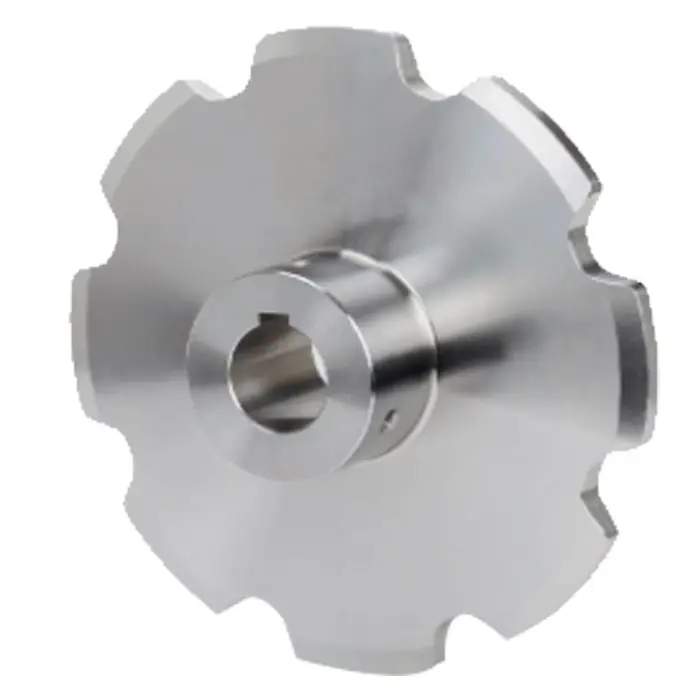
Làm thế nào để chọn đúng kích thước và bước răng của nhông xích thang cho hệ thống băng tải của tôi?
Việc lựa chọn đúng kích thước và bước răng của nhông xích thang cho hệ thống băng tải của bạn là rất quan trọng để đảm bảo hoạt động đúng cách, truyền tải điện năng hiệu quả và kéo dài tuổi thọ thiết bị. Dưới đây là các bước hướng dẫn bạn trong quá trình lựa chọn:
- 1. Xác định loại xích tải: Xác định loại xích băng tải được sử dụng trong hệ thống của bạn. Các loại xích khác nhau có kích thước bước xích cụ thể, và bánh răng bậc thang phải phù hợp với bước xích để đảm bảo sự ăn khớp chính xác.
- 2. Xác định số răng của đĩa xích: Tính toán số răng cần thiết cho đĩa xích kiểu thang dựa trên tốc độ băng tải mong muốn, tốc độ quay của trục dẫn động và hệ số tốc độ của xích. Hệ số tốc độ thường được nhà sản xuất xích cung cấp.
- 3. Cân nhắc góc quấn xích: Hãy đảm bảo kích thước đĩa xích cho phép xích quấn đủ quanh đĩa để tránh bị tuột xích. Góc quấn xích phải nằm trong phạm vi khuyến nghị của nhà sản xuất.
- 4. Đánh giá tải trọng băng tải: Đánh giá tải trọng của hệ thống băng tải và lực căng tối đa mà xích sẽ phải chịu. Vật liệu và thiết kế của bánh răng thang phải có khả năng chịu được tải trọng mà không bị biến dạng hoặc hư hỏng.
- 5. Xác định đường kính trục: Đường kính lỗ (lỗ bên trong) của đĩa xích bậc thang phải khớp với đường kính trục dẫn động hoặc sử dụng bạc lót côn hoặc moayơ xuyên tâm để điều chỉnh đĩa xích cho phù hợp với kích thước trục.
- 6. Cân nhắc các hạn chế về không gian: Hãy đảm bảo rằng kích thước bánh răng thang được chọn phù hợp với không gian có sẵn trong hệ thống băng tải mà không gây cản trở các bộ phận khác.
- 7. Tham khảo dữ liệu của nhà sản xuất: Hãy tham khảo dữ liệu và thông số kỹ thuật của nhà sản xuất nhông xích thang để tìm kích thước nhông và bước răng phù hợp với loại xích băng tải cụ thể của bạn.
- 8. Chọn vật liệu chất lượng cao: Hãy chọn loại nhông xích thang được làm từ vật liệu chất lượng cao, có khả năng chống mài mòn và độ bền tốt, đặc biệt là đối với các ứng dụng trong môi trường khắc nghiệt hoặc tải trọng nặng.
- 9. Tìm kiếm lời khuyên từ chuyên gia: Nếu bạn không chắc chắn về quy trình lựa chọn, hãy tham khảo ý kiến chuyên gia về hệ thống băng tải hoặc nhà sản xuất nhông xích để được hỗ trợ lựa chọn kích thước và bước răng nhông xích phù hợp.
Bằng cách cân nhắc kỹ loại xích, tải trọng băng tải, số răng nhông và các yếu tố liên quan khác, bạn có thể chọn kích thước và bước răng nhông phù hợp để đảm bảo hiệu suất tối ưu và truyền tải điện năng đáng tin cậy trong hệ thống băng tải của mình.


editor by CX 2023-11-14


