
مصنوعات کی تفصیل
Metal mesh strong Wire stainless steel flat flex conveyor belts for bread baking freezing drying are usually gear transmission belt, with good ventilation advantages, tension evenly, fine workmanship, the flat flex belts with a flexible rotation, good stability, High temperature, pressure resistance, corrosion resistance, long life and so on.Flat flex conveyor belts are used with a single-layer structure, lighter, the use of sprocket drive. Large open area (opening 70-85%), often used in the lighter weight of the product cooling, frying, baking, drying, heating, decoration, wrapped powder and packaging equipment.
| Specifications of Flat Flex Conveyor Belts | ||||
| Item | Wire diameter (mm) |
Pitch (mm) |
Open area (%) |
Edge type |
| FFCB-01 | 0.9 | 4.24 | 77 | Single/ double |
| FFCB-02 | 0.9 | 5.64 | 82 | Single/ double |
| FFCB-03 | 1.0 | 5.5 | 79 | Single/ double |
| FFCB-04 | 1.0 | 5.6 | 79.5 | Single/ double |
| FFCB-05 | 1.27 | 4.3 | 67 | Single |
| FFCB-06 | 1.27 | 5.5 | 73 | Single/ double |
| FFCB-07 | 1.27 | 6.0 | 76 | Single/ double |
| FFCB-08 | 1.27 | 6.35 | 77 | Single/ double |
| FFCB-09 | 1.27 | 7.26 | 80 | Single/ double/ C-shape |
| FFCB-10 | 1.40 | 6.40 | 76 | Single/ C-shape |
| FFCB-11 | 1.60 | 7.26 | 75 | Single/ double/ C-shape |
| FFCB-12 | 1.83 | 12.00 | 81 | Single |
| FFCB-13 | 1.83 | 12.70 | 82 | Single/ C-shape |
| FFCB-14 | 2.08 | 9.60 | 75 | Single/ C-shape |
| FFCB-15 | 2.35 | 12.70 | 78 | Single/ C-shape |
| FFCB-16 | 2.35 | 20.32 | 85 | Single |
| FFCB-17 | 2.80 | 12.70 | 72 | Single/ C-shape |
| Note: Custom specification is available if you can’t find the suitable size. | ||||
| مواد: | 304 Stainless/316 Stainless |
|---|---|
| Feature: | Oil-Resistant, Acid And Alkali Resistant, Tear-Resistant, Heat-Resistant, Cold-Resistant, Wear-Resistant |
| تناؤ کی طاقت: | مضبوط |
| نمونے: |
US$ 30/ٹکڑا
1 ٹکڑا (کم سے کم آرڈر) | Order Sample |
|---|
| حسب ضرورت: |
دستیاب ہے۔
| اپنی مرضی کے مطابق درخواست |
|---|
.shipping-cost-tm .tm-status-off{background: none;padding:0;color: #1470cc}
|
Shipping Cost:
Estimated freight per unit. |
about shipping cost and estimated delivery time. |
|---|
| Payment Method: |
|
|---|---|
|
Initial Payment Full Payment |
| Currency: | US$ |
|---|
| Return&refunds: | You can apply for a refund up to 30 days after receipt of the products. |
|---|

How do I Prevent Wear and Damage to Ladder Sprockets during Conveyor Operation?
Preventing wear and damage to ladder sprockets during conveyor operation is essential to ensure their longevity and maintain the overall efficiency of the conveyor system. Here are some preventive measures to follow:
- Proper Lubrication: Apply the appropriate lubricant to the ladder sprockets and the conveyor chain regularly. Lubrication reduces friction between the sprocket teeth and the chain links, minimizing wear and prolonging the sprocket’s life.
- Chain Tension: Maintain the correct tension in the conveyor chain. Proper tensioning prevents excessive stress on the ladder sprockets and chain links, reducing wear and preventing premature failure.
- Chain Alignment: Ensure the conveyor chain is correctly aligned with the ladder sprocket. Misalignment can cause uneven wear on the sprocket teeth and chain links, leading to accelerated wear and potential damage.
- Cleanliness: Keep the ladder sprockets and the surrounding area clean from debris, dirt, and contaminants. Foreign particles can cause chain jamming, accelerated wear, and affect sprocket performance.
- Regular Inspection: Conduct regular visual inspections of the ladder sprockets to check for signs of wear, damage, or deformation. Early detection of issues allows for timely maintenance and prevents further damage.
- Replace Worn Sprockets: Monitor the condition of the ladder sprocket teeth regularly. If the sprocket teeth show significant wear, chipping, or deformation, replace the sprocket promptly to prevent further damage to the conveyor chain.
- Inspect Chain Wear: Regularly inspect the conveyor chain for signs of wear, stretching, or elongation. A worn chain can accelerate sprocket wear, so replace the chain if it is beyond its recommended service life.
- Load Capacity: Ensure that the ladder sprockets are appropriately sized and rated for the load capacity of the conveyor system. Using sprockets that are too small or not designed for heavy-duty applications can lead to premature wear and failure.
- Follow Manufacturer’s Guidelines: Adhere to the ladder sprocket manufacturer’s maintenance recommendations and service intervals. Manufacturers may provide specific guidelines for lubrication, tensioning, and inspection to optimize sprocket performance and longevity.
By following these preventive measures, you can minimize wear and damage to ladder sprockets, prolong their service life, and maintain a reliable and efficient conveyor system. Regular maintenance and inspections are essential to identify and address any potential issues early on, preventing costly downtime and ensuring the smooth operation of your conveyor system.

کیا کنویئر سسٹمز میں سیڑھی کے اسپراکٹس کے ساتھ کام کرتے وقت کوئی حفاظتی تحفظات ہیں؟
ہاں، کنویئر سسٹمز میں سیڑھی کے اسپراکٹ کے ساتھ کام کرنے میں کارکنوں کی فلاح و بہبود کو یقینی بنانے اور حادثات کو روکنے کے لیے مخصوص حفاظتی تحفظات شامل ہیں۔ یہاں کچھ ضروری حفاظتی اقدامات ہیں:
- لاک آؤٹ-ٹیگ آؤٹ طریقہ کار: کنویئر سسٹم پر کوئی دیکھ بھال یا معائنہ کرنے سے پہلے، توانائی کے ذرائع کو الگ تھلگ کرنے اور کام کے دوران کنویئر یا سپروکیٹ کے حادثاتی آغاز کو روکنے کے لیے مناسب لاک آؤٹ ٹیگ آؤٹ طریقہ کار پر عمل کریں۔
- حفاظتی سامان: ان کارکنوں کو مناسب ذاتی حفاظتی سامان (پی پی ای) فراہم کریں جو سیڑھی کے اسپراکٹ کے قریب ہوں گے۔ اس میں حفاظتی شیشے، دستانے، اور مناسب لباس شامل ہو سکتے ہیں تاکہ حرکت پذیر حصوں سے رابطہ نہ ہو۔
- کنویئر گارڈز: زنجیر یا سپروکیٹ دانتوں کے ساتھ حادثاتی طور پر رابطے کو روکنے کے لیے سیڑھی کے اسپراکٹس اور حرکت پذیر اجزاء کے ارد گرد کنویئر گارڈز اور انکلوژرز لگائیں۔ گارڈز کو باقاعدہ آپریشن کے دوران تحفظ فراہم کرتے ہوئے دیکھ بھال تک رسائی کی اجازت دینے کے لیے ڈیزائن کیا جانا چاہیے۔
- انتباہی علامات: کارکنوں اور زائرین کو ممکنہ خطرات سے آگاہ کرنے اور حفاظتی احتیاطی تدابیر کی یاد دلانے کے لیے کنویئر سسٹم کے قریب واضح انتباہی نشانات دکھائیں۔
- تربیت اور تعلیم: اس بات کو یقینی بنائیں کہ کنویئر سسٹم کو چلانے اور اسے برقرار رکھنے والے کارکن محفوظ طریقوں، خطرے کی شناخت، اور ہنگامی طریقہ کار کے بارے میں مناسب تربیت حاصل کریں۔
- دیکھ بھال کے طریقہ کار: سیڑھی کے اسپراکٹس کے لیے مخصوص دیکھ بھال کے طریقہ کار کو تیار کریں اور ان پر عمل کریں۔ لباس، نقصان، یا غلط ترتیب کے لیے اسپراکٹس کا باقاعدگی سے معائنہ کریں، اور مینوفیکچرر کے رہنما خطوط کے مطابق دیکھ بھال کریں۔
- مناسب اٹھانا: سیڑھی کے اسپراکٹ کو سنبھالتے وقت یا دیکھ بھال کرتے وقت، لفٹنگ کی مناسب تکنیک استعمال کریں تاکہ تناؤ یا چوٹ سے بچا جا سکے۔
- ایمرجنسی اسٹاپ بٹن: ہنگامی سٹاپ بٹن کو کنویئر سسٹم کے ساتھ آسان رسائی کے اندر نصب کریں تاکہ کسی ہنگامی صورت حال میں سامان کو فوری طور پر بند کیا جا سکے۔
- باقاعدہ آڈٹ: ممکنہ خطرات کی نشاندہی کرنے اور محفوظ کام کرنے والے ماحول کو برقرار رکھنے کے لیے اصلاحی اقدامات کو نافذ کرنے کے لیے باقاعدہ حفاظتی آڈٹ کریں۔
ان حفاظتی تحفظات پر عمل کرتے ہوئے، آپ کنویئر سسٹمز میں سیڑھی کے اسپراکٹس سے وابستہ حادثات اور چوٹوں کے خطرے کو کم کر سکتے ہیں۔ محفوظ اور پیداواری کام کے ماحول کو یقینی بنانے کے لیے کسی بھی صنعتی آلات کے ساتھ کام کرتے وقت حفاظت ہمیشہ اولین ترجیح ہونی چاہیے۔
مزید برآں، مقامی حفاظتی ضوابط اور صنعت کے معیارات کی تعمیل ایک محفوظ کام کی جگہ بنانے اور کنویئر سسٹمز اور سپروکیٹ آپریشن سے متعلق حادثات کو روکنے کے لیے ضروری ہے۔
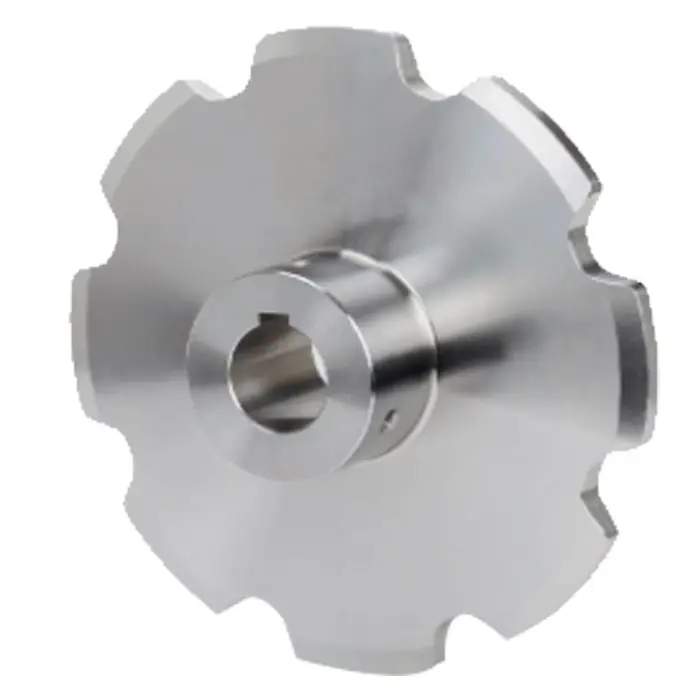
How do I Choose the Right Size and Pitch of a Ladder Sprocket for my Conveyor System?
Choosing the right size and pitch of a ladder sprocket for your conveyor system is critical to ensure proper operation, efficient power transmission, and prolonged equipment life. Here are the steps to guide you through the selection process:
- 1. Identify Conveyor Chain Type: Determine the type of conveyor chain used in your system. Different chain types have specific pitch measurements, and the ladder sprocket must match the chain’s pitch to ensure proper engagement.
- 2. Determine Sprocket Teeth Count: Calculate the required number of teeth for the ladder sprocket based on the desired conveyor speed, driven shaft RPM, and the chain’s speed factor. The speed factor is typically provided by the chain manufacturer.
- 3. Consider Chain Wrap Angle: Ensure that the sprocket size allows for sufficient chain wrap around the sprocket to prevent chain disengagement. The chain wrap angle should be within the manufacturer’s recommended range.
- 4. Assess Conveyor Load: Evaluate the conveyor system’s load and the maximum tension the chain will experience. The ladder sprocket’s material and design must be able to handle the load without deformation or failure.
- 5. Determine Shaft Diameter: The ladder sprocket’s bore size (inner hole) should match the driven shaft’s diameter or use a taper-lock bushing or through-bore hub to adapt the sprocket to the shaft size.
- 6. Consider Space Constraints: Ensure that the chosen ladder sprocket size fits within the available space in the conveyor system without interfering with other components.
- 7. Consult Manufacturer Data: Refer to the ladder sprocket manufacturer’s data and specifications to find the appropriate sprocket size and pitch options for your specific conveyor chain type.
- 8. Opt for High-Quality Materials: Choose a ladder sprocket made from high-quality materials that offer good wear resistance and durability, especially for applications with harsh environments or heavy loads.
- 9. Seek Expert Advice: If you are unsure about the selection process, consult with conveyor system experts or sprocket manufacturers for assistance in choosing the right ladder sprocket size and pitch.
By carefully considering the chain type, conveyor load, sprocket teeth count, and other relevant factors, you can select the appropriate size and pitch of a ladder sprocket that ensures optimal performance and reliable power transmission in your conveyor system.


editor by CX 2023-11-13


