
제품 설명
Bucket elevator is mainly used in many trades such as grain,feed,coal,metallurge,cement factory etc.It can lift the material like graininess,dustlike,small block or oil cleaning.But TDTG type double barrel bucket elevator is not suitable for lifting the material that is over 60ºC, with big impurity, oil surface leaching or with corrosive.Its feature:
1.The side plate of bottom is movable,easy to maintain.
2.The tail wheel,head wheel and shaftis conneted with flat key,it is fixedness.
Struction and working principle:
This machine is composed of elevator top,machine barrel,elevator bottom,rubber belt (chains ) and bucket etc.Rubber belt is surrounding between head wheel and tail wheel, the buckets are fixed on the belt as a certain distance.The material fall into the elevator from inlet, after bucket excavating the material,up to move following belt, throw the material by passing the head wheel,and discharge the material from outlet. In order to clean bottom inside and bucket belt, elevator bottom installed plug board and spiral tension device.
1.Elevator top is composed of chain drive section head cap,discharge ,bearing housing, shaft and head wheel. There are 3 ways of power transmission for users to choose :
1)reducer through flexible coupling straight drive.
2)chain and sprocket drive.
3)V-belt pulley drive.
2.Elevator box is composed of angle steel and steel sheet.
3.Elevator bottom has inlet. there are discharge gate on both sides of bottom under- part. and with spiral tension to adjust bucket belt.
elevator bottom can be installed dust pipe after dismounting the cover.
4.There are 2 kinds of type: rubber belt and chain.two ends of rubber belt are connected with special belt bolts, buckets are fixed on rubber belt (chains) with bucket bolts,nuts and spring washer.
5.There are 2 types of buckets:deep type and shallow type.the deep type buckets are used for graininess material, the shallow type buckets are used for dustlike material.
Main Technical Parameters
.
external view
all kinds of bucket elevator photos
Project Case
| 판매 후 서비스: | 12 Months |
|---|---|
| Warranty: | 12 Months |
| Structure: | Conveyor System |
| 재료: | Carbon Steel |
| Material Feature: | Heat Resistant |
| Application: | Chemical Industry, Grain Transport, Mining Transport, Power Plant |

How do I Properly Install and Align Ladder Sprockets for Optimal Conveyor Performance?
Proper installation and alignment of ladder sprockets are crucial for ensuring optimal conveyor performance and extending the sprocket’s service life. Here are the steps to follow:
- 1. Pre-Installation Inspection: Before installation, inspect the ladder sprocket for any visible damage, defects, or issues. Ensure that the sprocket is free from debris and contaminants.
- 2. Verify Chain Compatibility: Confirm that the ladder sprocket is compatible with the specific conveyor chain used in the system. The sprocket must match the chain’s pitch and configuration to ensure proper engagement.
- 3. Shaft and Hub Preparation: Prepare the driven shaft by ensuring it is clean, free from damage, and meets the required diameter specifications. If using a hub, ensure it fits securely on the shaft.
- 4. Align Sprocket Position: Position the ladder sprocket on the driven shaft and ensure it is centered and aligned properly. Use alignment tools and measurements to ensure accuracy.
- 5. Set Tension and Slack: Adjust the conveyor chain’s tension to the manufacturer’s recommended specifications. Avoid excessive tension, as it can lead to accelerated wear, and ensure there is a proper amount of slack to accommodate chain movement.
- 6. Check Chain Engagement: Confirm that the conveyor chain properly engages with the ladder sprocket. The chain links should rest securely within the gaps of the ladder sprocket without binding or skipping.
- 7. Verify Chain Wrap Angle: Check that the chain wrap angle around the sprocket is within the manufacturer’s recommended range. Sufficient wrap angle ensures proper power transmission and prevents chain slippage.
- 8. Lubrication: Apply the appropriate lubricant to the ladder sprocket and the conveyor chain according to the manufacturer’s guidelines. Proper lubrication reduces friction and wear.
- 9. Run-in Period: After installation, run the conveyor system without a load for a short period to allow the chain and sprocket to settle and self-adjust. Check for any unusual noises or issues during this run-in period.
- 10. Regular Inspection and Maintenance: Schedule regular inspections of the ladder sprockets and conveyor chain to identify and address any wear or alignment issues promptly. Perform maintenance tasks, such as lubrication and tension adjustments, as recommended by the manufacturer.
Properly installing and aligning ladder sprockets ensures reliable power transmission, reduces wear on the sprocket and chain, and minimizes the risk of unexpected failures. Following manufacturer guidelines and working with experienced conveyor system professionals can help achieve optimal performance and efficiency in your conveyor system.
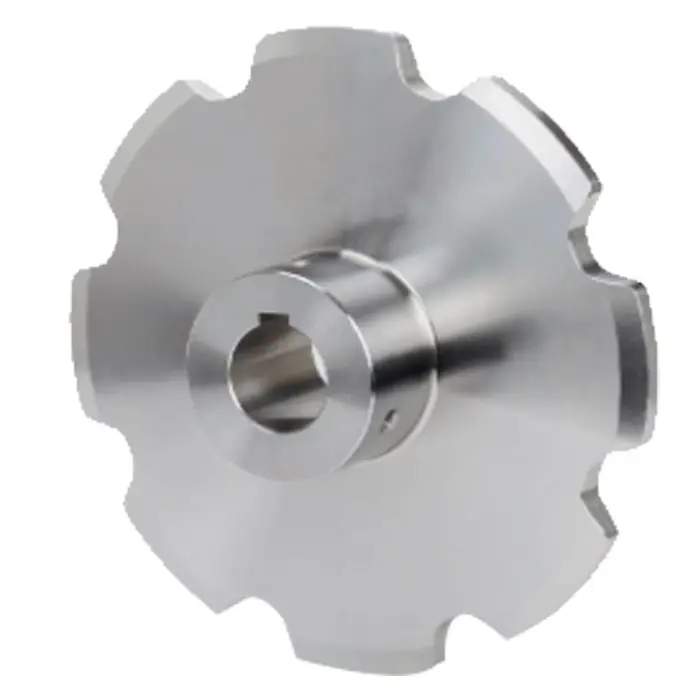
래더 스프로킷 구성에 필요한 토크와 동력을 어떻게 계산하나요?
사다리형 스프로킷 시스템에 필요한 토크와 동력을 계산하려면 컨베이어 시스템의 설계 및 작동과 관련된 여러 요소를 고려해야 합니다. 다음은 계산 과정을 단계별로 설명한 것입니다.
- 식별 매개변수: 컨베이어 길이, 속도, 체인 피치, 스프로킷 직경, 단위 길이당 이송되는 자재의 무게(해당되는 경우) 등 컨베이어 시스템 사양을 포함한 필요한 데이터를 수집하십시오.
- 체인 장력을 계산하세요: 컨베이어 시스템의 체인 장력을 측정하십시오. 체인 장력은 컨베이어의 경사각, 이송되는 자재의 무게, 그리고 체인에 작용하는 추가적인 힘에 따라 달라집니다.
- 체인 당김 힘을 계산하세요: 체인 인장력은 컨베이어 체인을 움직이는 데 필요한 힘입니다. 이는 체인 장력에 체인 가닥 수를 곱하여 계산합니다.
- 토크를 계산하세요: 래더 스프로킷에 필요한 토크를 계산하려면 체인 당김 힘에 스프로킷 반지름을 곱하십시오. 스프로킷 반지름은 스프로킷 지름의 절반입니다.
- 효율성을 고려하세요: 컨베이어 시스템의 효율을 고려해야 합니다. 베어링, 체인 및 기타 구성 요소의 효율 손실로 인해 실제로 필요한 토크는 계산된 토크보다 더 높을 것입니다.
- 전력을 계산하세요: 사다리형 스프로킷 장치에 필요한 동력을 계산하려면 계산된 토크에 컨베이어의 회전 속도(초당 라디안)를 곱하십시오. 회전 속도는 컨베이어 속도를 초당 미터에서 초당 라디안으로 변환하여 구할 수 있습니다.
- 안전 계수를 적용하십시오: 계산된 토크 및 출력 값에 안전 계수를 적용하여 시스템이 간헐적인 최대 부하를 처리할 수 있도록 하고 시스템이 최대 용량으로 지속적으로 작동하는 것을 방지하십시오.
이 계산은 래더 스프로킷 구성에 필요한 토크와 동력을 추정한 값임을 유념하십시오. 실제 작동 조건, 재료 특성의 변화 및 기타 외부 요인이 결과에 영향을 미칠 수 있습니다. 또한, 추가적인 지침을 얻고 계산의 정확성을 확인하려면 컨베이어 시스템 전문가 또는 스프로킷 제조업체와 상담하는 것이 중요합니다.
필요한 토크와 동력을 정확하게 계산함으로써, 래더 스프로킷 구성이 컨베이어 시스템의 부하 및 작동 요구 사항을 처리할 수 있도록 적절한 크기로 설계되어 효율적이고 안정적인 컨베이어 성능을 보장할 수 있습니다.
컨베이어 시스템에 적합한 래더 스프로킷의 크기와 피치를 어떻게 선택해야 할까요?
컨베이어 시스템의 원활한 작동, 효율적인 동력 전달 및 장비 수명 연장을 위해서는 적절한 크기와 피치의 래더 스프로킷을 선택하는 것이 매우 중요합니다. 다음은 선택 과정을 안내하는 단계입니다.
- 1. 컨베이어 체인 유형을 식별하십시오: 시스템에 사용되는 컨베이어 체인의 종류를 확인하십시오. 체인 종류에 따라 특정 피치 치수가 있으며, 래더 스프로킷은 체인의 피치와 일치해야 제대로 맞물립니다.
- 2. 스프로킷 톱니 수를 확인합니다. 원하는 컨베이어 속도, 구동축 회전수(RPM) 및 체인의 속도 계수를 기준으로 래더 스프로킷에 필요한 톱니 수를 계산합니다. 속도 계수는 일반적으로 체인 제조업체에서 제공합니다.
- 3. 체인 감김 각도를 고려하십시오: 스프로킷 크기가 체인 이탈을 방지하기 위해 스프로킷 주위로 체인이 충분히 감길 수 있도록 충분한지 확인하십시오. 체인 감김 각도는 제조업체에서 권장하는 범위 내에 있어야 합니다.
- 4. 컨베이어 부하 평가: 컨베이어 시스템의 하중과 체인이 받을 최대 장력을 평가하십시오. 래더 스프로킷의 재질과 설계는 변형이나 파손 없이 하중을 견딜 수 있어야 합니다.
- 5. 축 직경을 측정하십시오. 래더 스프로킷의 내경(내부 구멍)은 구동축의 직경과 일치해야 하며, 그렇지 않을 경우 테이퍼록 부싱이나 스루보어 허브를 사용하여 스프로킷을 축 크기에 맞게 조정해야 합니다.
- 6. 공간 제약을 고려하십시오: 선택한 래더 스프로킷 크기가 컨베이어 시스템의 사용 가능한 공간에 맞고 다른 구성 요소와 간섭하지 않는지 확인하십시오.
- 7. 제조업체 자료를 참조하십시오. 사용 중인 컨베이어 체인 유형에 맞는 스프로킷 크기와 피치 옵션을 찾으려면 래더 스프로킷 제조업체의 데이터 및 사양을 참조하십시오.
- 8. 고품질 소재를 선택하세요: 특히 열악한 환경이나 무거운 하중이 가해지는 용도에는 내마모성과 내구성이 뛰어난 고품질 소재로 제작된 래더 스프로킷을 선택하십시오.
- 9. 전문가의 조언을 구하십시오: 선택 과정에 확신이 서지 않는다면 컨베이어 시스템 전문가나 스프로킷 제조업체에 문의하여 적절한 래더 스프로킷 크기와 피치를 선택하는 데 도움을 받으십시오.
체인 종류, 컨베이어 부하, 스프로킷 톱니 수 및 기타 관련 요소를 신중하게 고려하여 컨베이어 시스템에서 최적의 성능과 안정적인 동력 전달을 보장하는 적절한 크기와 피치의 래더 스프로킷을 선택할 수 있습니다.


editor by CX 2023-10-07


