
Mô tả sản phẩm
Bucket elevator is mainly used in many trades such as grain,feed,coal,metallurge,cement factory etc.It can lift the material like graininess,dustlike,small block or oil cleaning.But TDTG type double barrel bucket elevator is not suitable for lifting the material that is over 60ºC, with big impurity, oil surface leaching or with corrosive.Its feature:
1.The side plate of bottom is movable,easy to maintain.
2.The tail wheel,head wheel and shaftis conneted with flat key,it is fixedness.
Struction and working principle:
This machine is composed of elevator top,machine barrel,elevator bottom,rubber belt (chains ) and bucket etc.Rubber belt is surrounding between head wheel and tail wheel, the buckets are fixed on the belt as a certain distance.The material fall into the elevator from inlet, after bucket excavating the material,up to move following belt, throw the material by passing the head wheel,and discharge the material from outlet. In order to clean bottom inside and bucket belt, elevator bottom installed plug board and spiral tension device.
1.Elevator top is composed of chain drive section head cap,discharge ,bearing housing, shaft and head wheel. There are 3 ways of power transmission for users to choose :
1)reducer through flexible coupling straight drive.
2)chain and sprocket drive.
3)V-belt pulley drive.
2.Elevator box is composed of angle steel and steel sheet.
3.Elevator bottom has inlet. there are discharge gate on both sides of bottom under- part. and with spiral tension to adjust bucket belt.
elevator bottom can be installed dust pipe after dismounting the cover.
4.There are 2 kinds of type: rubber belt and chain.two ends of rubber belt are connected with special belt bolts, buckets are fixed on rubber belt (chains) with bucket bolts,nuts and spring washer.
5.There are 2 types of buckets:deep type and shallow type.the deep type buckets are used for graininess material, the shallow type buckets are used for dustlike material.
Main Technical Parameters
.
external view
all kinds of bucket elevator photos
Project Case
| After-sales Service: | 12 Months |
|---|---|
| Warranty: | 12 Months |
| Kết cấu: | Conveyor System |
| Vật liệu: | Carbon Steel |
| Material Feature: | Heat Resistant |
| Ứng dụng: | Chemical Industry, Grain Transport, Mining Transport, Power Plant |

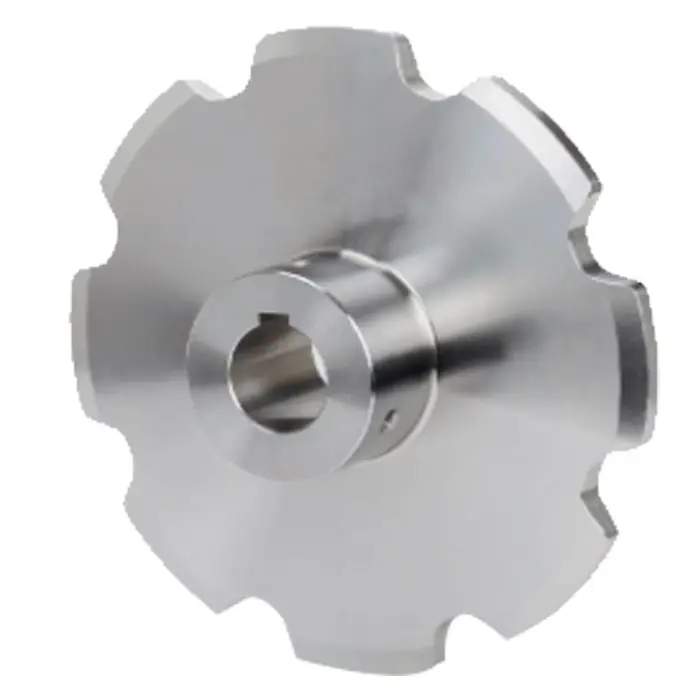
How do I Properly Install and Align Ladder Sprockets for Optimal Conveyor Performance?
Proper installation and alignment of ladder sprockets are crucial for ensuring optimal conveyor performance and extending the sprocket’s service life. Here are the steps to follow:
- 1. Pre-Installation Inspection: Before installation, inspect the ladder sprocket for any visible damage, defects, or issues. Ensure that the sprocket is free from debris and contaminants.
- 2. Verify Chain Compatibility: Confirm that the ladder sprocket is compatible with the specific conveyor chain used in the system. The sprocket must match the chain’s pitch and configuration to ensure proper engagement.
- 3. Shaft and Hub Preparation: Prepare the driven shaft by ensuring it is clean, free from damage, and meets the required diameter specifications. If using a hub, ensure it fits securely on the shaft.
- 4. Align Sprocket Position: Position the ladder sprocket on the driven shaft and ensure it is centered and aligned properly. Use alignment tools and measurements to ensure accuracy.
- 5. Set Tension and Slack: Adjust the conveyor chain’s tension to the manufacturer’s recommended specifications. Avoid excessive tension, as it can lead to accelerated wear, and ensure there is a proper amount of slack to accommodate chain movement.
- 6. Check Chain Engagement: Confirm that the conveyor chain properly engages with the ladder sprocket. The chain links should rest securely within the gaps of the ladder sprocket without binding or skipping.
- 7. Verify Chain Wrap Angle: Check that the chain wrap angle around the sprocket is within the manufacturer’s recommended range. Sufficient wrap angle ensures proper power transmission and prevents chain slippage.
- 8. Lubrication: Apply the appropriate lubricant to the ladder sprocket and the conveyor chain according to the manufacturer’s guidelines. Proper lubrication reduces friction and wear.
- 9. Run-in Period: After installation, run the conveyor system without a load for a short period to allow the chain and sprocket to settle and self-adjust. Check for any unusual noises or issues during this run-in period.
- 10. Regular Inspection and Maintenance: Schedule regular inspections of the ladder sprockets and conveyor chain to identify and address any wear or alignment issues promptly. Perform maintenance tasks, such as lubrication and tension adjustments, as recommended by the manufacturer.
Properly installing and aligning ladder sprockets ensures reliable power transmission, reduces wear on the sprocket and chain, and minimizes the risk of unexpected failures. Following manufacturer guidelines and working with experienced conveyor system professionals can help achieve optimal performance and efficiency in your conveyor system.
How do I Calculate the Required Torque and Power for a Ladder Sprocket Setup?
Calculating the required torque and power for a ladder sprocket setup involves considering several factors related to the conveyor system’s design and operation. Here’s a step-by-step guide to the calculation process:
- Identify Parameters: Gather the necessary data, including conveyor system specifications such as conveyor length, speed, chain pitch, sprocket diameter, and the weight of the conveyed material per unit length (if applicable).
- Calculate Chain Tension: Determine the chain tension in the conveyor system. Chain tension depends on the conveyor’s angle of inclination, the weight of the material being conveyed, and any additional forces acting on the chain.
- Calculate Chain Pull Force: The chain pull force is the force required to move the conveyor chain. It is calculated by multiplying the chain tension by the number of chain strands.
- Calculate Torque: To calculate the torque required for the ladder sprocket, multiply the chain pull force by the sprocket radius. The sprocket radius is half of the sprocket diameter.
- Consider Efficiency: Take into account the efficiency of the conveyor system. The actual torque required will be higher than the calculated torque due to efficiency losses in bearings, chains, and other components.
- Calculate Power: To determine the power required for the ladder sprocket setup, multiply the calculated torque by the conveyor’s rotational speed in radians per second. The rotational speed can be obtained by converting the conveyor speed from meters per second to radians per second.
- Apply Safety Factors: Apply safety factors to the calculated torque and power values to ensure that the system can handle occasional peak loads and avoid running the system at its maximum capacity continuously.
Keep in mind that these calculations provide an estimate of the required torque and power for the ladder sprocket setup. Actual operating conditions, variations in material properties, and other external factors may influence the results. Additionally, it’s essential to consult conveyor system experts or sprocket manufacturers for further guidance and to verify the accuracy of the calculations.
By accurately calculating the required torque and power, you can ensure that the ladder sprocket setup is appropriately sized to handle the conveyor system’s load and operational demands, leading to efficient and reliable conveyor performance.
Làm thế nào để chọn đúng kích thước và bước răng của nhông xích thang cho hệ thống băng tải của tôi?
Việc lựa chọn đúng kích thước và bước răng của nhông xích thang cho hệ thống băng tải của bạn là rất quan trọng để đảm bảo hoạt động đúng cách, truyền tải điện năng hiệu quả và kéo dài tuổi thọ thiết bị. Dưới đây là các bước hướng dẫn bạn trong quá trình lựa chọn:
- 1. Xác định loại xích tải: Xác định loại xích băng tải được sử dụng trong hệ thống của bạn. Các loại xích khác nhau có kích thước bước xích cụ thể, và bánh răng bậc thang phải phù hợp với bước xích để đảm bảo sự ăn khớp chính xác.
- 2. Xác định số răng của đĩa xích: Tính toán số răng cần thiết cho đĩa xích kiểu thang dựa trên tốc độ băng tải mong muốn, tốc độ quay của trục dẫn động và hệ số tốc độ của xích. Hệ số tốc độ thường được nhà sản xuất xích cung cấp.
- 3. Cân nhắc góc quấn xích: Hãy đảm bảo kích thước đĩa xích cho phép xích quấn đủ quanh đĩa để tránh bị tuột xích. Góc quấn xích phải nằm trong phạm vi khuyến nghị của nhà sản xuất.
- 4. Đánh giá tải trọng băng tải: Đánh giá tải trọng của hệ thống băng tải và lực căng tối đa mà xích sẽ phải chịu. Vật liệu và thiết kế của bánh răng thang phải có khả năng chịu được tải trọng mà không bị biến dạng hoặc hư hỏng.
- 5. Xác định đường kính trục: Đường kính lỗ (lỗ bên trong) của đĩa xích bậc thang phải khớp với đường kính trục dẫn động hoặc sử dụng bạc lót côn hoặc moayơ xuyên tâm để điều chỉnh đĩa xích cho phù hợp với kích thước trục.
- 6. Cân nhắc các hạn chế về không gian: Hãy đảm bảo rằng kích thước bánh răng thang được chọn phù hợp với không gian có sẵn trong hệ thống băng tải mà không gây cản trở các bộ phận khác.
- 7. Tham khảo dữ liệu của nhà sản xuất: Hãy tham khảo dữ liệu và thông số kỹ thuật của nhà sản xuất nhông xích thang để tìm kích thước nhông và bước răng phù hợp với loại xích băng tải cụ thể của bạn.
- 8. Chọn vật liệu chất lượng cao: Hãy chọn loại nhông xích thang được làm từ vật liệu chất lượng cao, có khả năng chống mài mòn và độ bền tốt, đặc biệt là đối với các ứng dụng trong môi trường khắc nghiệt hoặc tải trọng nặng.
- 9. Tìm kiếm lời khuyên từ chuyên gia: Nếu bạn không chắc chắn về quy trình lựa chọn, hãy tham khảo ý kiến chuyên gia về hệ thống băng tải hoặc nhà sản xuất nhông xích để được hỗ trợ lựa chọn kích thước và bước răng nhông xích phù hợp.
Bằng cách cân nhắc kỹ loại xích, tải trọng băng tải, số răng nhông và các yếu tố liên quan khác, bạn có thể chọn kích thước và bước răng nhông phù hợp để đảm bảo hiệu suất tối ưu và truyền tải điện năng đáng tin cậy trong hệ thống băng tải của mình.


editor by CX 2023-10-07


